Our team truly loves having a hand in building America: properties, outdoor living spaces, and places for family and friends to gather and make memories. But we want every homeowner to know something important: construction in 2026 isn't what it was even in 2025, and much has changed over just the last 90 days. Prices have increased. Logistics have become more costly. Materials, labor, and finding and keeping the right crews who deliver attention to detail have all become harder. At John Franklin Land Group, we do our best to make the client experience as simple and stress-free as possible, so our internal team does a lot behind the scenes to make that happen. We put the pressure of building on our shoulders. Still, we want our clients in Milton, Alpharetta, Cumming, Canton, Woodstock, Marietta, Buckhead and across North Georgia to be informed about the many moving parts behind every home renovation, remodel and outdoor living project. Here are 10 things you need to know before you build in 2026.
First, Your Part of a Successful Project
A great project is a partnership. Our team handles the planning, job costing, scheduling and construction. Clients play an important role too, through clear communication, realistic budgeting, timely decisions and patience.
We wrote a full guide on that side of the process: How to Set Up Your Outdoor Remodel for Success. Read it alongside this article and you'll be better prepared than most homeowners who start a project this year.
1. Prices Are Higher Than They Were in 2025
If you priced a patio, retaining wall, pool deck, outdoor kitchen or backyard remodel a year or two ago, that number is probably out of date. Costs for many building materials, fuel, equipment and labor have continued to rise, and they can move quickly.
That's why quotes have shorter validity windows than they used to. A proposal from last spring may not reflect today's costs. When you're comparing prices, make sure they're current and based on the same scope.
Most backyard remodeling projects we see are well above $50,000, and full outdoor living builds on larger properties can go well into seven figures. The right number depends on your property, size, existing conditions, access and materials.
2. Logistics Cost More Than Most People Realize
Logistics are one of the least visible parts of a project. Homeowners see the finished patio, wall or kitchen, but not the dozens of deliveries, equipment moves and coordination calls that made it possible. In 2026, those behind-the-scenes costs carry more weight in every budget, especially on larger properties and projects with difficult access, where crews may need smaller machines, extra trips or temporary access routes to reach the work area safely.
Every load of stone, block, gravel, fill dirt, concrete and lumber has to be delivered. Every piece of heavy equipment has to be hauled to the site. Fuel, trucking and delivery fees have become a bigger part of project costs.
On hillside and acreage properties in Ball Ground, Jasper, Ellijay and Blue Ridge, longer drives and tougher access add even more. We plan deliveries, staging and equipment moves carefully to reduce wasted trips, but logistics are a real cost that every honest proposal must include.
3. Materials Can Be Delayed, Substituted or Discontinued
Supply chains are better than they were a few years ago, but they're not predictable. Specific pavers, natural stone, lighting, appliances and specialty products can be back-ordered or discontinued with little notice.
We confirm availability during the proposal process and suggest comparable alternatives when needed. Homeowners can help by making selections early and staying flexible on less critical items.
4. Skilled Labor Is Harder to Find and Keep
One of the biggest changes in construction is the labor market. Finding and retaining skilled crews, including equipment operators, wall builders, masons and finish carpenters, is harder and more expensive than ever.
Experienced crews are worth it. They work safer, catch problems early, and deliver the attention to detail that separates a good outdoor space from a great one. Be cautious of prices that seem far below the market. Often they reflect inexperienced labor, rushed schedules or skipped steps.
5. Planning and Design Matter More Than Ever
When costs are high, mistakes are expensive. Changing your mind halfway through construction can mean torn-out work, wasted materials and lost time. A clear plan prevents that.
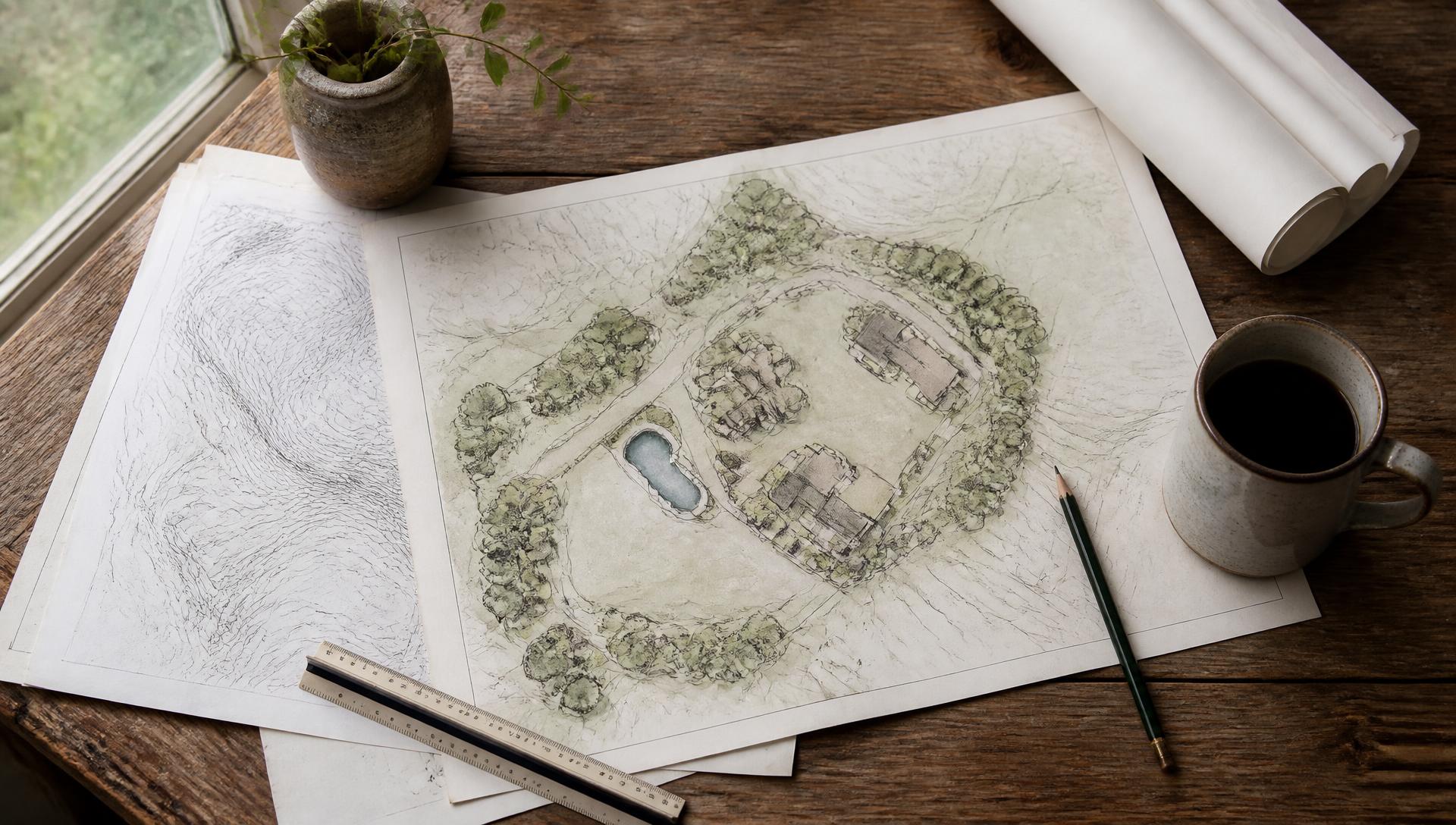
That's why we often start larger projects with a 3D design and rendering. You can see the space, make changes on screen and approve a final direction before a single load of dirt moves. Learn more about how we price from an approved plan in our article on how we bid and job cost every project.
6. Site Conditions Drive Cost, Especially in Georgia
North Georgia is beautiful, and challenging to build on. Sloped lots, red clay, buried rock, heavy rain and wooded terrain all affect how a project is built and what it costs.
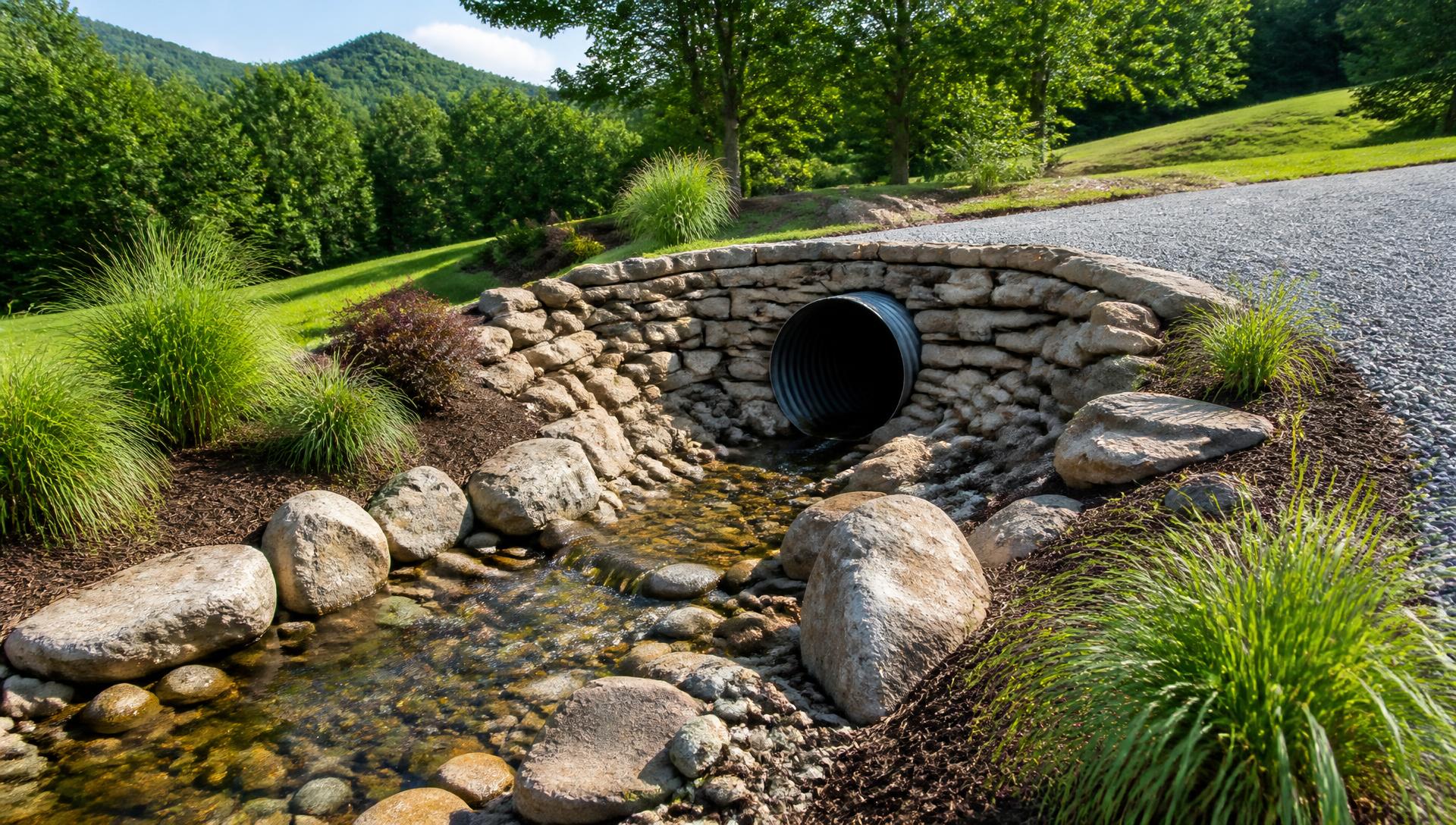
Many homeowners are surprised to learn that the most important parts of a project are underground: grading, compaction, drainage and footings. These steps don't show in the finished photos, but they determine whether a patio cracks, a wall leans or a yard floods. See our guides on leveling sloped property and retaining wall drainage.
7. Permits, HOAs and Inspections Take Time
Retaining walls over certain heights, pools, structures, electrical, gas lines and land disturbance can require permits, engineering and inspections. Many neighborhoods in Milton, Alpharetta, Johns Creek and Cumming also require HOA architectural approval before work begins.
Each review adds time. Building these steps into the schedule from the beginning keeps the project moving and avoids stop-work surprises.
8. Realistic Timelines Beat Fast Promises
Weather, material lead times, permits, inspections and crew availability all affect timelines. Georgia's heavy rain events can shut down grading work for days while soil dries.
Be wary of contractors who promise an unrealistically fast start or finish. A realistic schedule, communicated clearly, is far better than a fast promise that slips again and again. Patience protects your budget and your results.
9. The Lowest Bid Is Often the Most Expensive
In a high-cost market, it's tempting to choose the lowest price. But low bids often leave out drainage, proper base material, compaction, permits, cleanup or realistic allowances. Those costs return later as change orders, repairs or full rebuilds.
Compare proposals on scope, materials, process and the company's track record, not just the total. Choose three or four companies you trust, meet with them in person, and avoid analysis paralysis.
- Does the proposal include drainage and grading?
- Are materials and quantities clearly described?
- Who pulls permits and handles inspections?
- How are unforeseen conditions handled?
- Is the company insured and experienced with this type of work?
10. A Good Builder Carries the Pressure for You
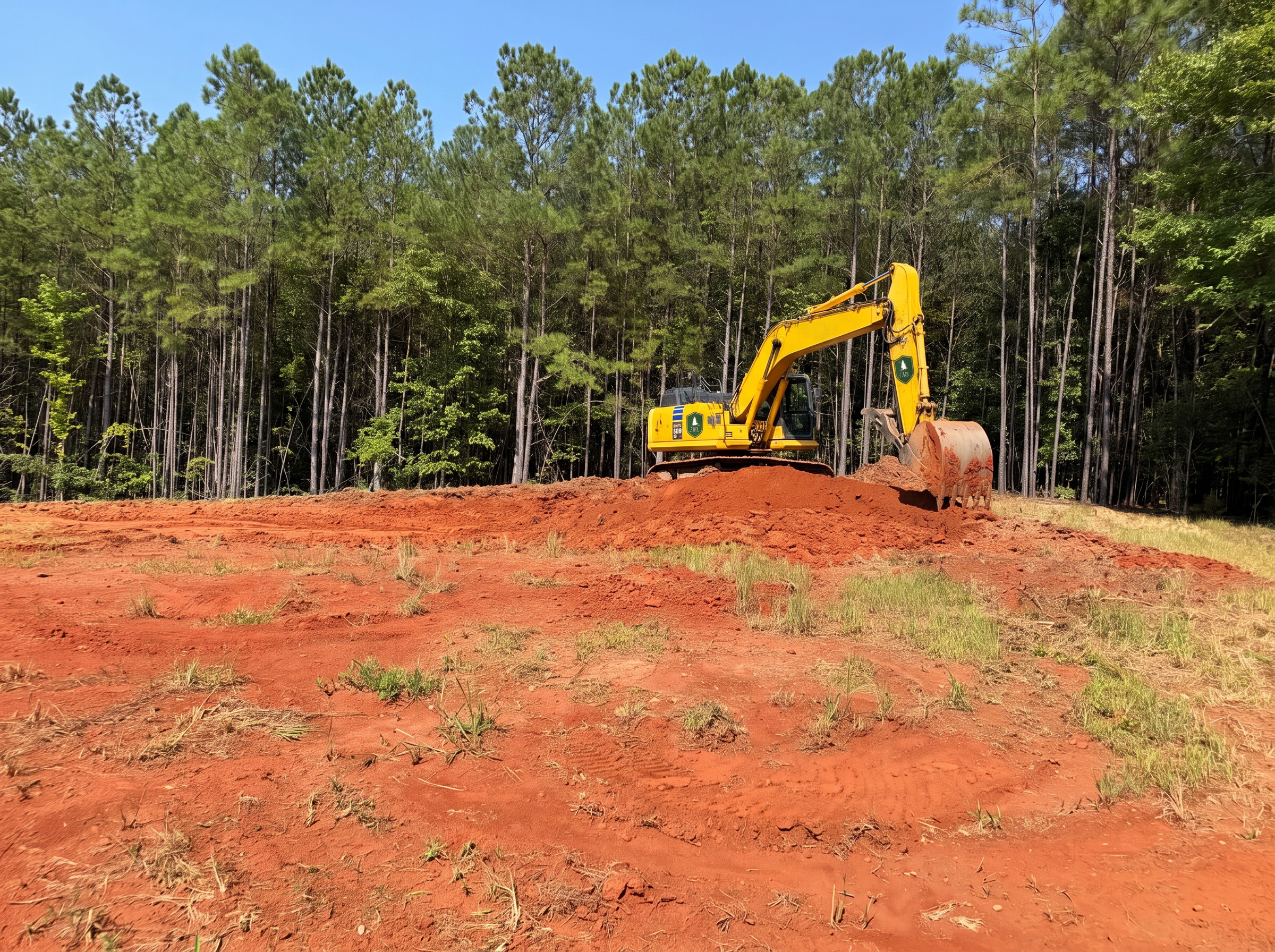
Behind every smooth project is a team handling dozens of details you never see: job costing, scheduling crews, ordering and tracking materials, coordinating subcontractors and inspectors, adjusting for weather and solving problems before they reach you.
At John Franklin Land Group, that's the part we take on. We put the pressure of building on our shoulders so your experience can be as simple as possible. We just want you to know those moving parts exist, so the process, pricing and timeline make sense.
How John Franklin Handles the Moving Parts
Our clients don't need to manage suppliers, crews or inspectors. That's our job. Here is some of what our internal team handles behind the scenes on a typical outdoor living or land project, so you can focus on the fun decisions:
- Detailed job costing before any price is shared.
- Material ordering and tracking, including confirming lead times and alternatives.
- Crew and equipment scheduling so the right people and machines arrive at the right time.
- Permit, HOA and inspection coordination where required.
- Weather planning to protect work in progress and reschedule efficiently.
- Site protection and cleanup so your property is respected throughout.
- Regular updates from a single point of contact.
A Note on Patience
Great outdoor spaces take time to plan and build. Rushing design decisions, skipping steps to save a few weeks or pushing a crew through wet conditions usually costs more in the end. The families who are happiest with their projects tend to be the ones who planned early, made decisions thoughtfully and trusted the process. In 2026, patience isn't just a virtue. It's a budget strategy.
What Homeowners Can Do Now
If you're planning a project for 2026 or 2027, a few steps will put you ahead:
- Set a realistic budget range before meeting with contractors.
- Start planning early, since good builders book out.
- Gather inspiration from Pinterest, Instagram, Facebook and YouTube.
- Invest in design for larger projects so pricing is accurate.
- Decide on selections early to avoid delays.
- Consider phasing a large project over time. Our phasing guide explains how.
Why So Much Has Changed in Just 90 Days
Homeowners are sometimes surprised that prices or lead times can shift in a matter of weeks. Construction depends on many connected markets at once: fuel, trucking, manufacturing, quarries, concrete plants, equipment rental and labor. When one of them tightens, the effects show up quickly in project pricing and scheduling.
We watch these changes closely so our proposals stay accurate. It's also why we encourage clients not to rely on a price they heard from a friend last year or an online cost calculator. The only reliable number for your project is one built from a site visit, a defined scope and current costs.
How Outdoor Living Is Evolving in 2026
Even with higher costs, demand for outdoor living spaces in North Georgia keeps growing. Families want their backyards to work as an extension of the home, a place to cook, relax, host and play. The projects we're seeing most often in 2026 include:
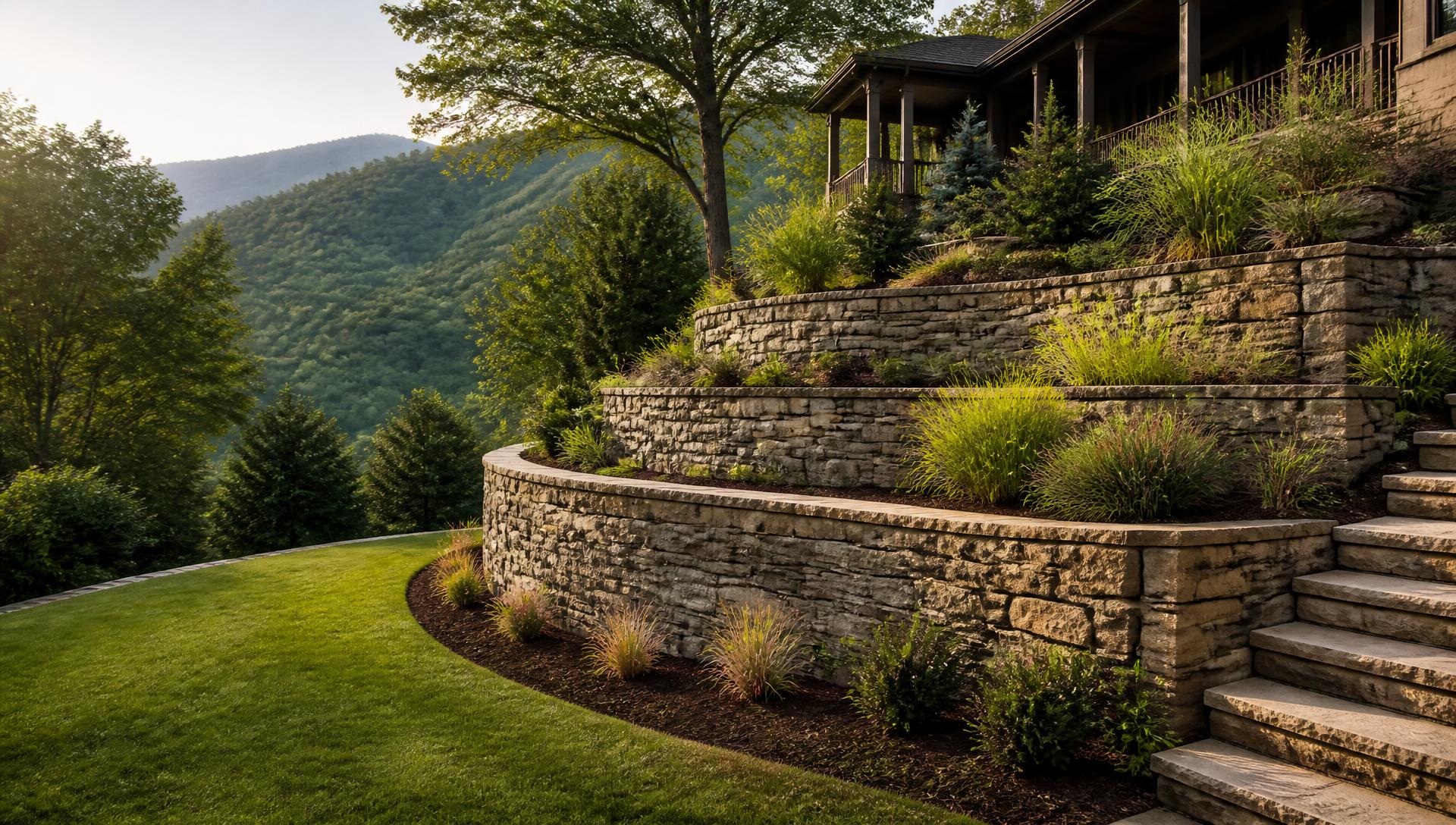
- Leveled backyards with retaining walls that turn sloped lots into usable space.
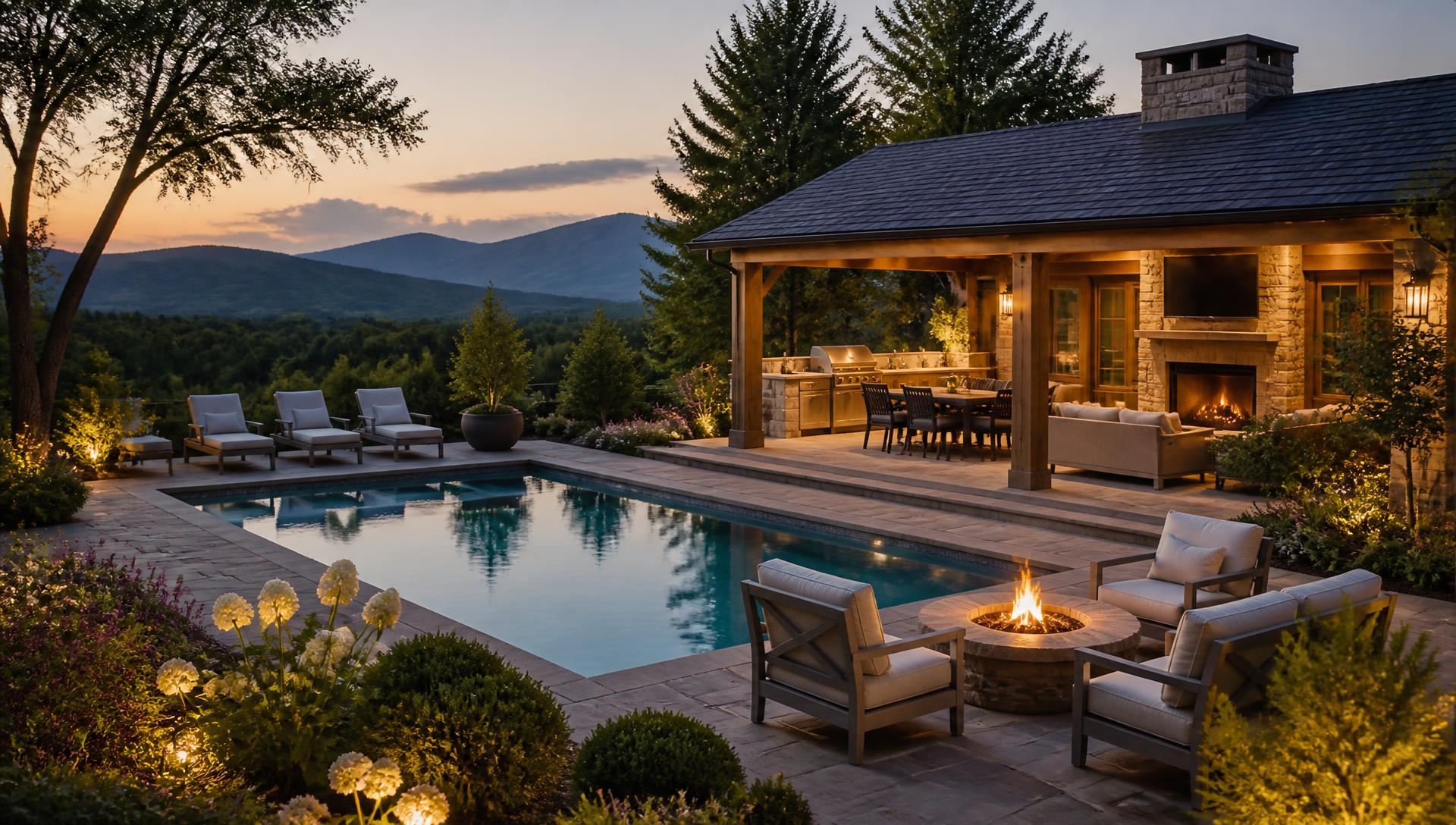
- Outdoor kitchens and covered pavilions with fans, lighting and TVs.
- Fire pits and seat walls for year-round gathering.
- Pools and pool decks planned together with grading and drainage.
- Play areas and sport courts for growing families.
- Low-maintenance materials like pavers, turf and durable stone.
- Phased master plans that let families build over several years.
Questions to Ask Any Contractor in 2026
Whether you hire us or another company, these questions will help you choose wisely in today's market:
- How long is this price valid, and what happens if material costs change?
- Who will actually do the work, your own crews or subcontractors?
- How do you handle weather delays and scheduling changes?
- What is included and excluded from the proposal?
- How will we communicate during the project, and who is my point of contact?
- What happens if you find unforeseen conditions underground?
Why Investing in Your Home Still Makes Sense
With moving costs, mortgage rates and home prices where they are, many families are choosing to improve the home they already own instead of moving. A well-planned outdoor living space adds daily enjoyment and can add real appeal when it's time to sell. Our article on whether to stay or move and fix your backyard explores that decision in more detail.
Higher costs mean every dollar should go further. That's the case for planning carefully, building it right the first time and working with a team that respects your investment.
Building Across North Georgia in 2026
John Franklin Land Group builds outdoor living spaces, backyard remodels, retaining walls, drainage systems, driveways, fencing, barns and land development projects across Milton, Alpharetta, Roswell, Johns Creek, Cumming, Canton, Woodstock, Ball Ground, Jasper, Ellijay, Blue Ridge, Marietta, Buckhead and North Metro Atlanta. Explore our outdoor living work and our service areas.
Building in 2026 takes more planning, more coordination and more experience than ever, and the rewards are worth it. A well-built outdoor space becomes the place your family gathers for years. If you're ready to plan yours with a team that handles the hard parts behind the scenes, start a project with John Franklin Land Group.