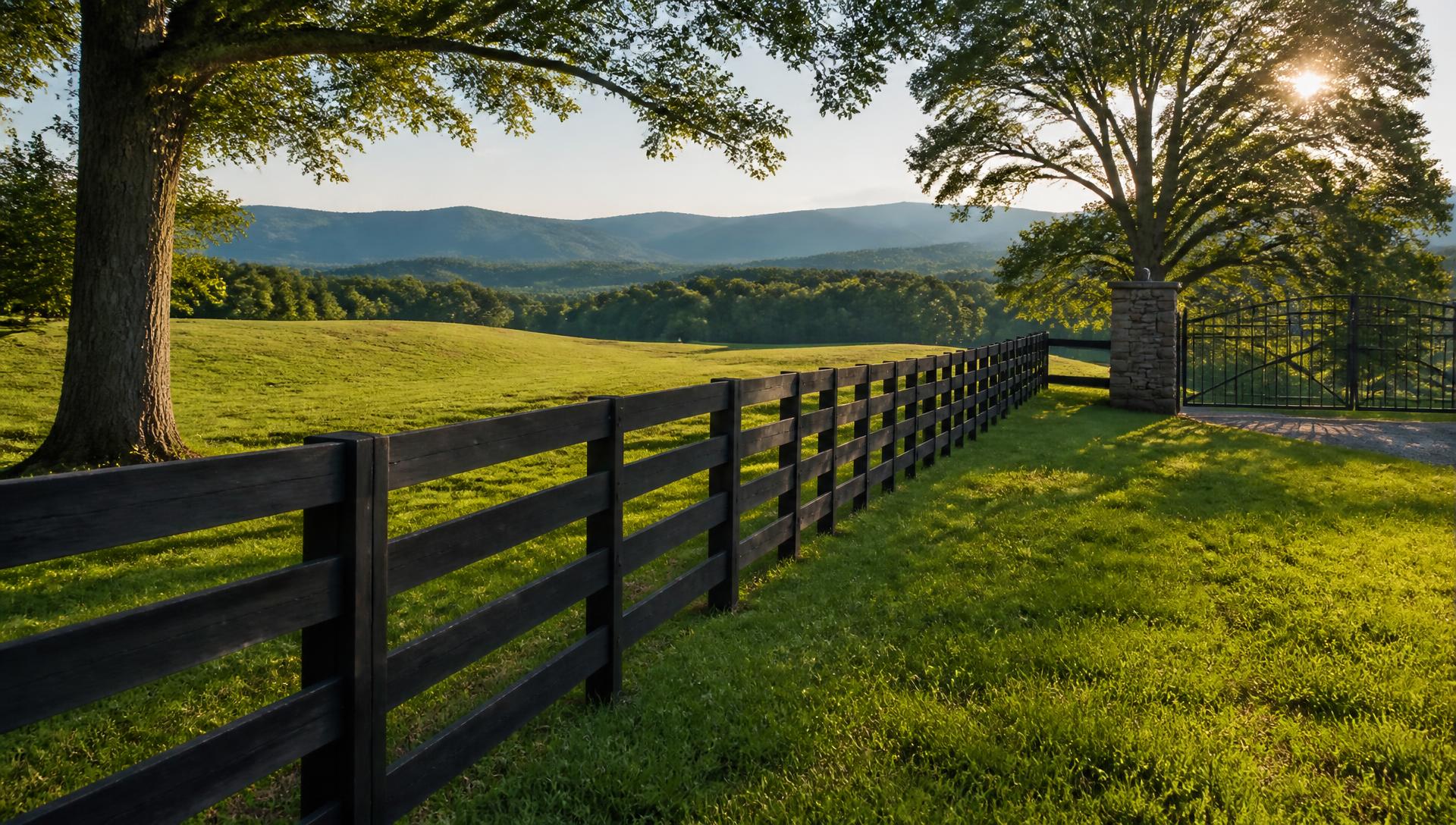
If you live in North Georgia, you already know: flat land is rare. Backyards in Milton, Alpharetta and Cumming drop off behind the house. Lots in Canton, Woodstock and Ball Ground roll with the Piedmont hills. Acreage in Jasper, Ellijay and Blue Ridge is outright mountain. Yet nearly everything people want to build — a lawn for the kids, a pickleball or basketball court, a pool, a barn, an arena, a garden — needs level ground. The good news is that level ground can be made. With proper planning, the right heavy equipment, and a clear strategy for moving dirt or bringing in fill, almost any sloped property can be reshaped. This guide explains how grading and leveling a sloped yard actually works, what it costs, and the mistakes that cause flat pads to settle, crack or wash out.
Why So Many North Georgia Properties Aren't Flat
North Georgia sits where the Piedmont plateau climbs into the Blue Ridge Mountains. Add dense red clay, rock ledges that sit just under the surface, and developments that graded house pads but left the backyards alone, and you get the classic North Georgia lot: a flat spot for the home and a slope everywhere else.
Common situations we see:
- Backyards that fall away from a walk-out basement, leaving no usable lawn.
- Front yards that slope toward the house, sending water at the foundation.
- Acreage on a hillside where the barn, arena or house site needs a pad cut in.
- Rocky, uneven ground that can't be mowed, played on or built on.
- Old fill that has settled, leaving dips and soft spots.
The Two Ways to Make Land Flat: Cut and Fill
Every leveling project comes down to two moves. Cutting removes soil from the high side. Filling adds soil to the low side. Most projects do both — a cut-and-fill balance where dirt dug from the uphill area becomes the fill on the downhill side.
Moving dirt on-site is usually the most economical approach, because you're not paying to haul soil in or out. When the property doesn't have enough dirt to balance — common on steep backyards — we import fill dirt. When there's too much, or when the soil is unsuitable (topsoil, organic debris, wet clay), we haul it off.
Step 1: Planning Before the Equipment Shows Up
The most expensive leveling jobs are the ones that start without a plan. Before we move a bucket of dirt, we work out:
- What the flat area is for — a lawn, a sport court, a patio, a building pad and a horse arena all need different compaction and drainage.
- Finished elevations — how high or low the new level area will sit relative to the house, driveway and neighbors.
- Where water goes — the flat area changes how every storm drains. See drainage and erosion control.
- Whether retaining walls are needed to hold the cut or fill edges.
- Access — how excavators, skid steers and dump trucks get in without destroying the rest of the yard.
- Permits — many counties require a land disturbance permit above a certain area or near streams. Our land permits guide has county contacts.
Step 2: Clearing and Stripping Topsoil
Trees, stumps, roots and topsoil have to come out of the work area. Organic material rots and settles, so building a pad on top of it guarantees a dip later. We strip and stockpile good topsoil to spread back over the finished lawn areas. On wooded sites, this is part of our land clearing process.
Step 3: Heavy Equipment Grading
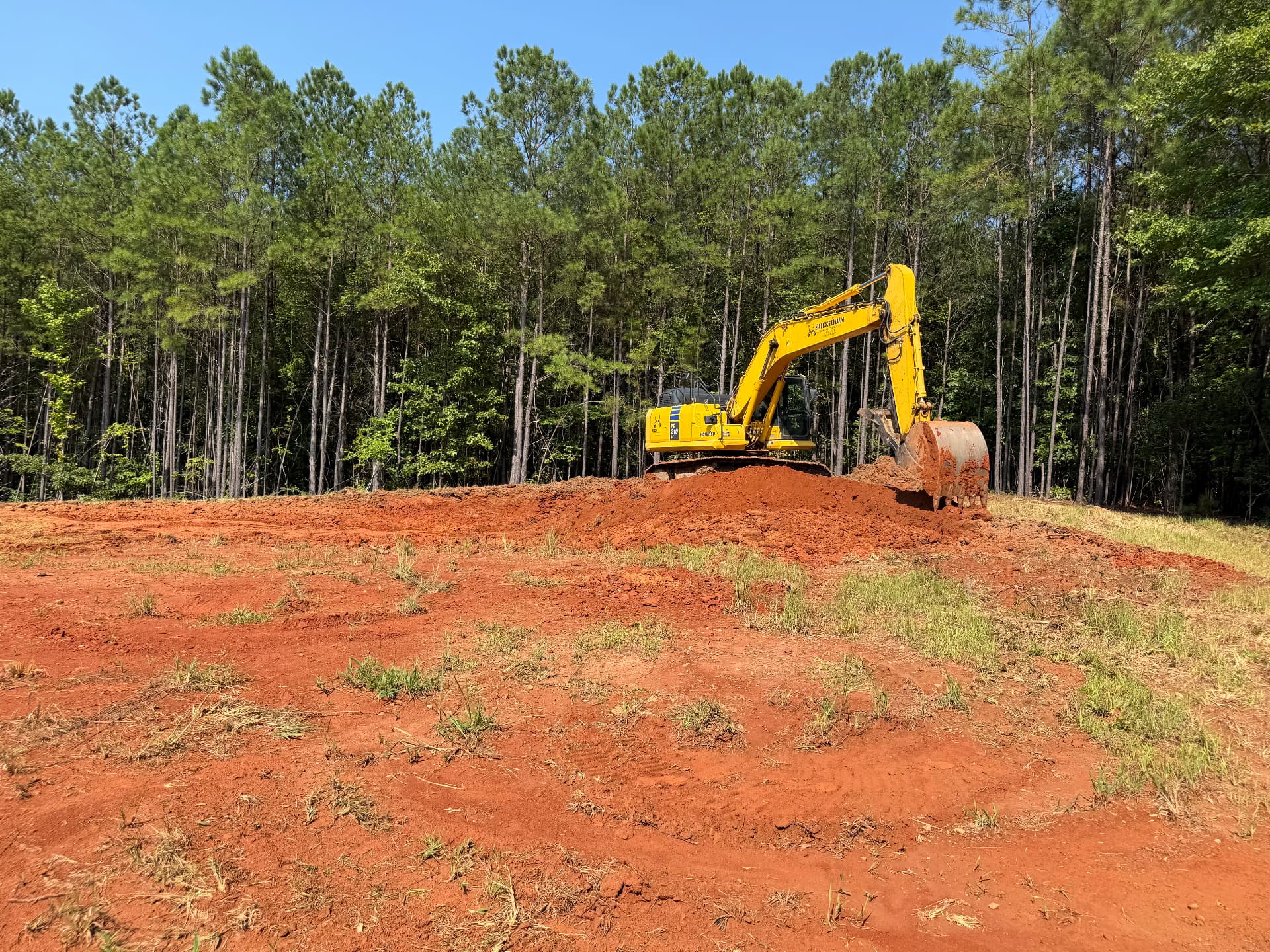
This is where the property actually changes shape. Depending on the scale, we use excavators, dozers, skid steers and compact track loaders to cut the high side, shape the slopes and place fill. On rocky sites common in Cherokee, Pickens and Gilmer counties, we may need to break or remove rock ledges.
Good grading isn't just flat — it's flat with purpose. Lawns need a slight slope (typically 1–2%) to drain. Sport courts need a precise, uniform grade. Building pads need to sit above surrounding ground so water moves away from the structure.
Step 4: Bringing In Fill Dirt — and Compacting It
Not all dirt is fill dirt. Structural fill should be clean, free of organics and debris, and able to compact. Georgia clay can be excellent fill when it's at the right moisture — too wet and it turns to pudding, too dry and it won't bind.
Compaction is the step that separates a pad that lasts from one that sinks. Fill goes in lifts — layers of about 6–8 inches — and each lift is compacted with a roller or plate compactor before the next goes on. Dumping 4 feet of loose dirt and running a machine over the top will settle for years. For building pads, we can coordinate compaction testing when the structure calls for it.
Step 5: Retaining Walls to Hold the Edges
When you make a flat area on a slope, the ground has to transition somewhere. There are two ways to handle it: a graded slope or a retaining wall.
- Graded slopes are cheapest but take space — a stable, mowable slope is roughly 3 feet horizontal for every foot of height.
- Retaining walls let you maximize flat space and create crisp terraces. Walls over about 4 feet usually need engineering and a permit.
- Terracing — two or three shorter walls stepping up the hill — often looks better and costs less than one tall wall.
Step 6: Drainage and Stabilization
A new flat area changes how water moves across your whole property. Before we call a leveling project done, we build in swales, French drains, catch basins and outlets to move water around and away from the new level ground, then stabilize every bare slope with seed, straw, erosion matting or sod so the first big storm doesn't carve it apart.
What People Build on Newly Leveled Land
Once the ground is flat, the property opens up. Some of the most common projects we level land for:
- Family lawns and play areas with room for playgrounds and swing sets — see backyard remodeling.
- Pickleball, basketball and sport courts.
- Pet areas and dog runs, often with artificial turf.
- Patios, outdoor kitchens and fire pits — see outdoor living.
- Pools and pool decks.
- Barns, shops and garages — see barns and outbuildings.
- Horse arenas and paddocks — see equestrian properties.
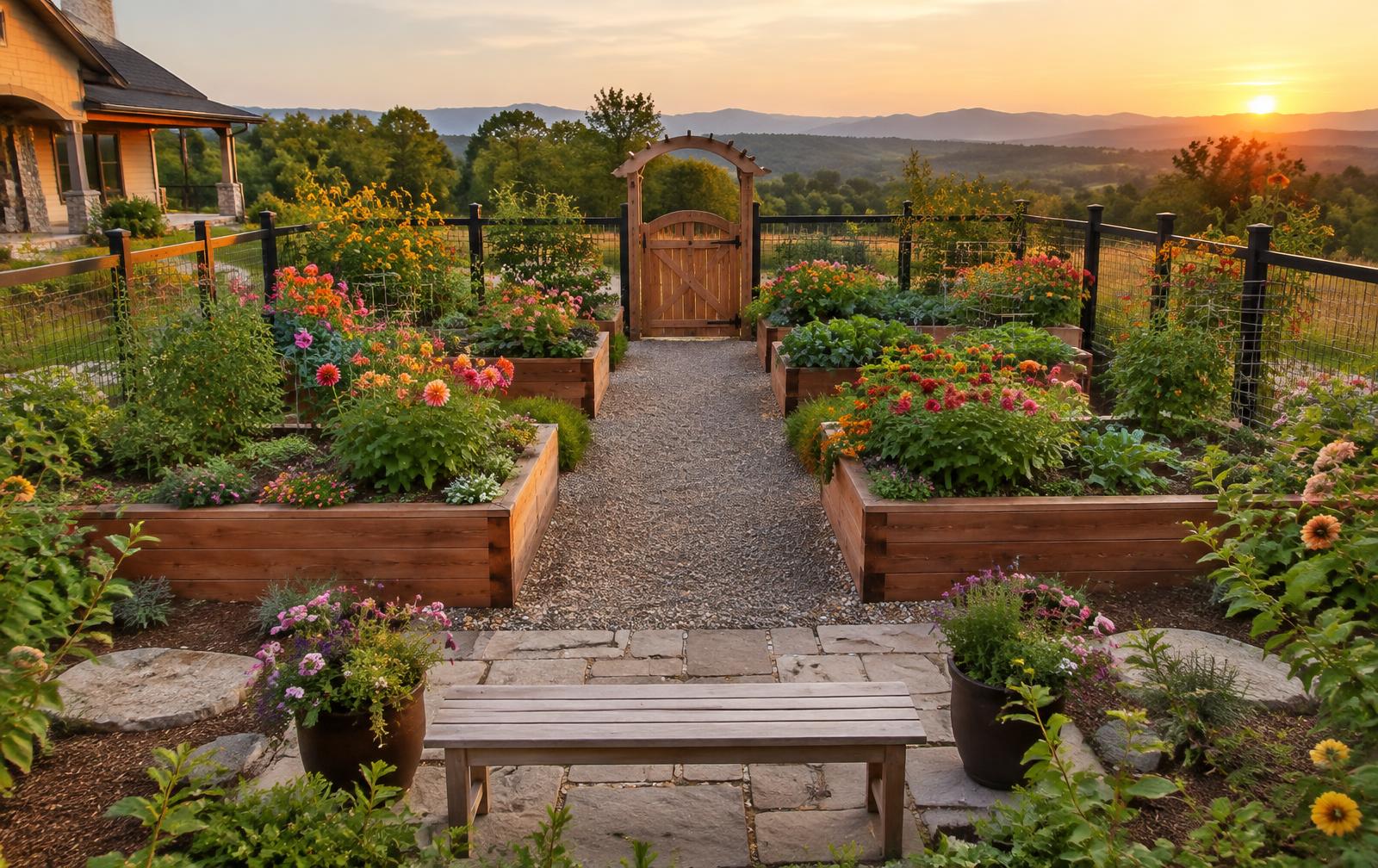
- Gardens and raised beds.
How Much Does It Cost to Level a Yard?
The biggest cost drivers are how much dirt moves, whether fill has to be trucked in or hauled out, rock, access, and how many feet of retaining wall the design needs. A modest backyard regrade with on-site dirt can be a small project. A steep lot that needs hundreds of yards of imported fill and tiered walls is a significant investment. The fastest way to an accurate number is a site visit and a plan — which is why we often start with a property design so you can see the finished levels before anything is dug.
How Long Does a Leveling Project Take?
A small backyard regrade using on-site dirt can take just a few days of equipment time. A larger project with imported fill, compaction in lifts, retaining walls and drainage often runs two to six weeks, depending on size, rock and — in North Georgia — the weather. Clay can't be compacted properly when it's saturated, so a wet week can pause earthwork until the ground dries. We schedule around the forecast and protect exposed soil with erosion controls between work days, so a surprise storm doesn't undo progress.
Settlement is the other timing factor. Properly compacted fill is ready for lawns, patios and courts right away. For heavier structures on deep fill, an engineer may recommend testing or a settling period before building. We plan that into the schedule from the start, so there are no surprises when the concrete truck is ready.
Why Planning Pays Off on Sloped Properties
On a sloped property, every decision affects the next one. Put the pool on the wrong elevation and you need a taller wall. Put the lawn too low and it collects water from the whole hill. Cut too deep and you expose rock that costs a fortune to remove. That's why we strongly recommend treating a leveling project as part of a whole-property plan — deciding where the lawn, patio, court, garden, driveway and future structures will all sit before the first cut. A few hours of planning routinely saves weeks of equipment time and thousands of dollars in rework.
Our 3D design and renderings let you see the finished grades, walls and terraces before any dirt moves, so you can adjust heights and layouts on screen instead of in the field.
Mistakes That Make Flat Land Fail
We fix these every year — all of them are avoidable:
- Filling over topsoil, stumps or construction debris.
- Placing fill in one thick layer instead of compacted lifts.
- Building a flat pad with no drainage plan.
- Undersized or DIY walls holding back tall fills.
- Leaving slopes bare after grading.
Land Grading and Leveling Across North Georgia
We level backyards, building pads and acreage across Milton, Alpharetta, Cumming, Canton, Woodstock, Roswell, Johns Creek, Ball Ground, Jasper, Ellijay, Blue Ridge, Marietta and Buckhead. See our land development and site grading services, or local pages for Milton, Cumming and Canton.
Flat land is made, not found. Have a slope you want to use? Request a property consultation and we'll walk it with you and show you what's possible.