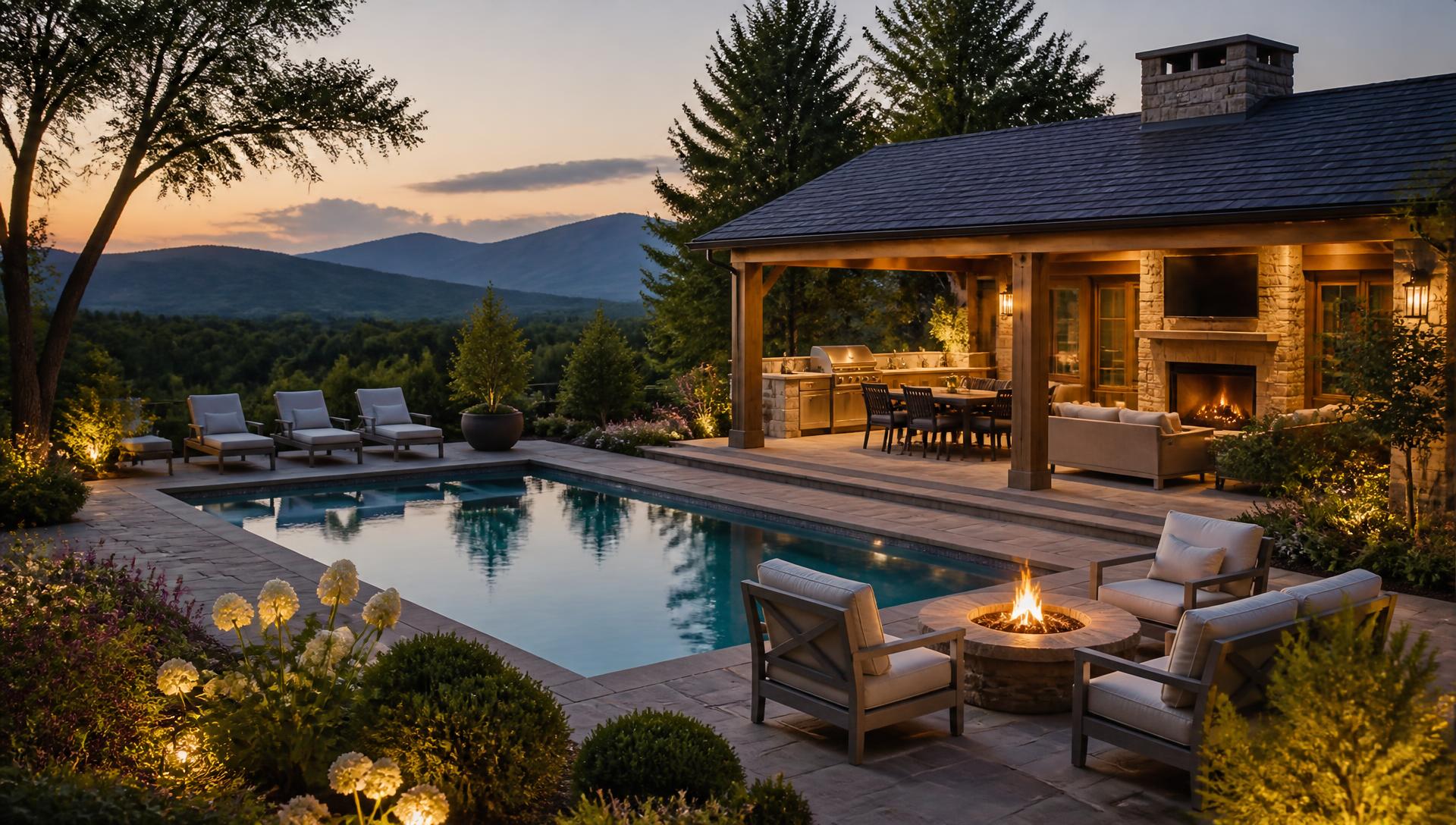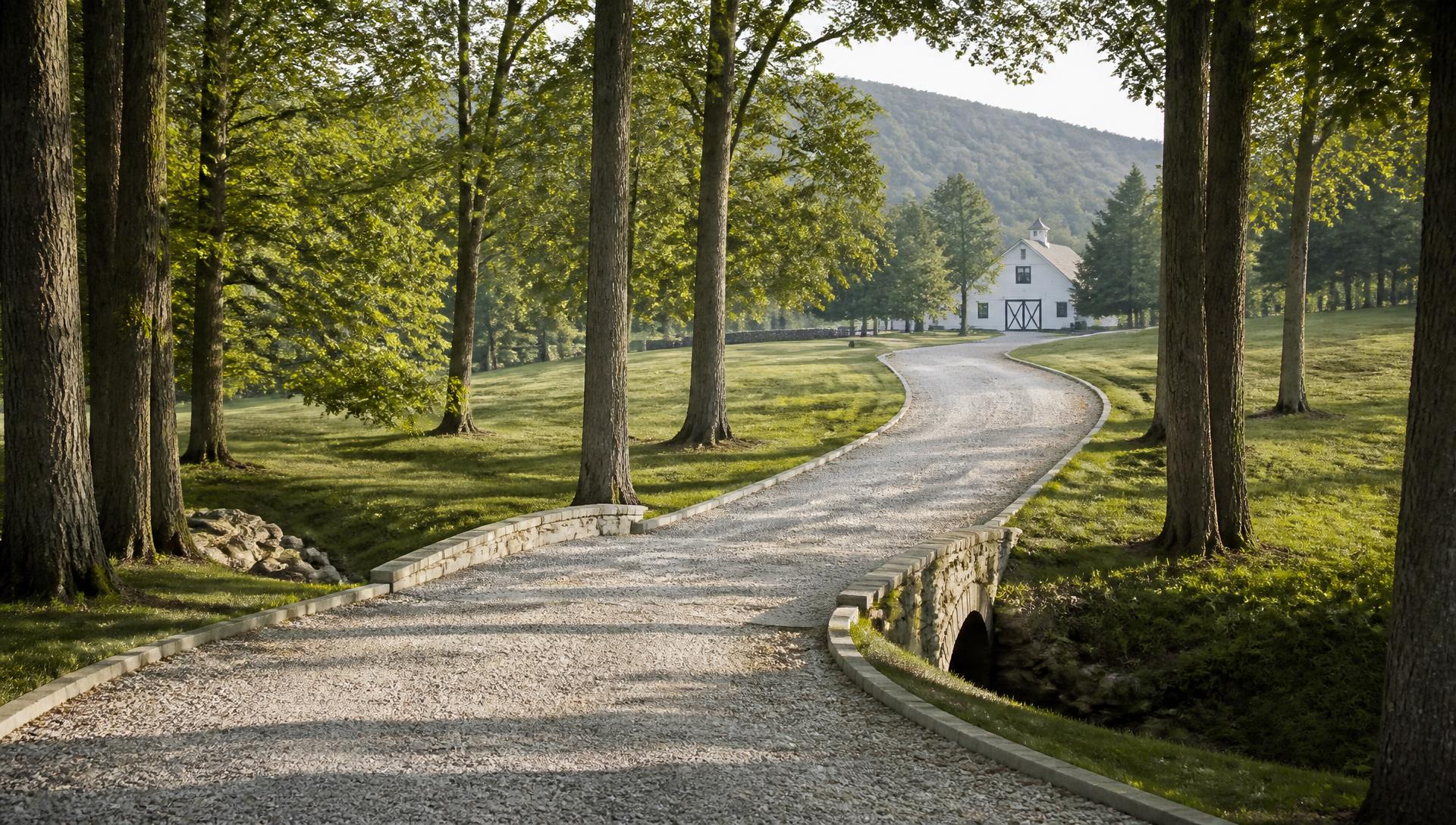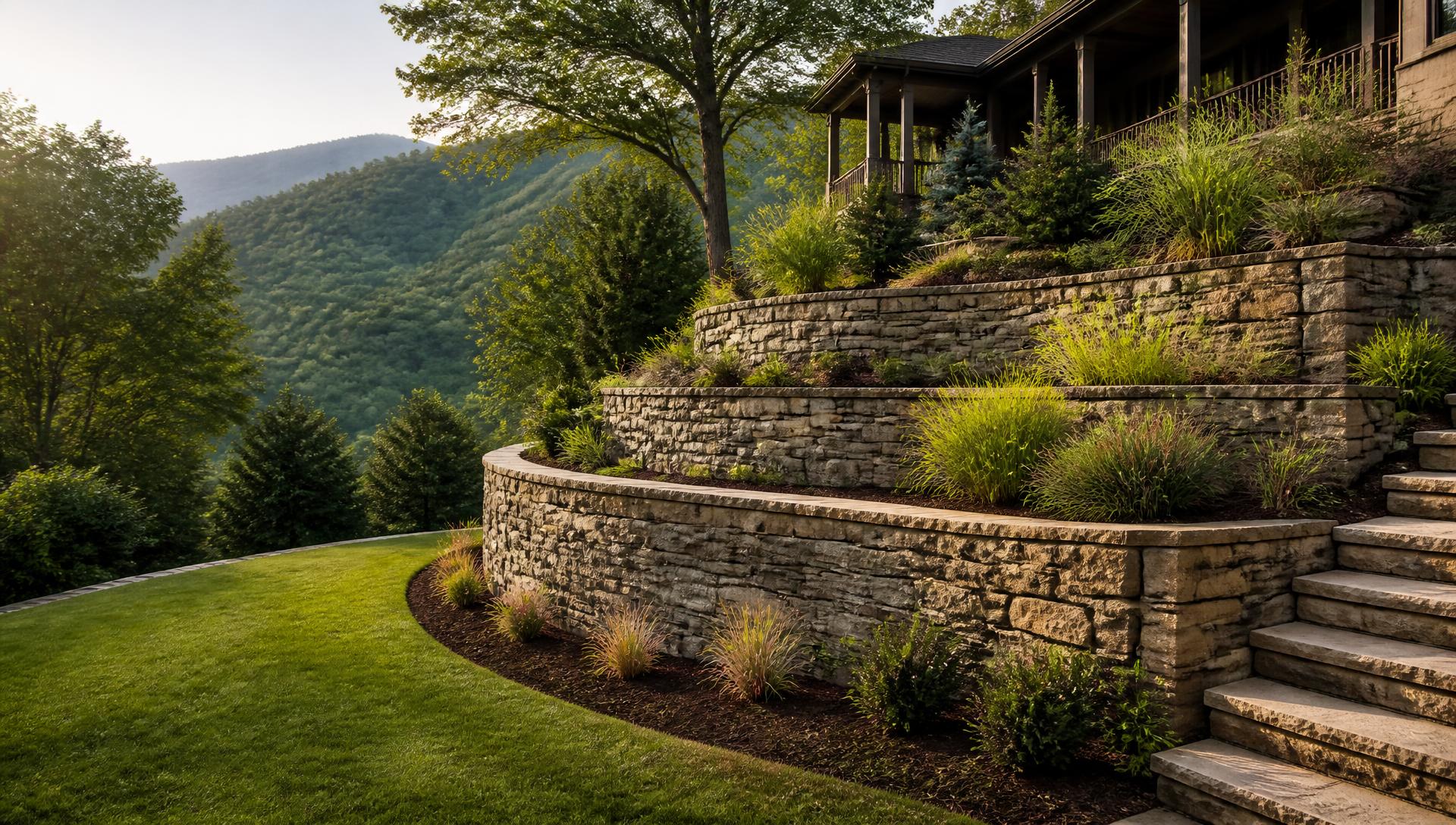
Most people planning a backyard remodel, front yard redesign, new patio or outdoor living space don't know exactly what they want — and that's completely fine. That's why you hire an outdoor builder. At John Franklin Land Group, we design and build outdoor living spaces, patios, pavilions, retaining walls and landscapes for homeowners in Milton, Alpharetta, Cumming, Canton, Woodstock, Roswell, Johns Creek, Ball Ground, Marietta, Buckhead, Jasper, Ellijay and Blue Ridge. After hundreds of conversations, we've learned that the projects that go best aren't always the biggest or the most expensive. They're the ones where the client and the outdoor contractor start on the same page. This guide explains how our process works and what you can do to set your outdoor remodel up for success from day one.
You Don't Have to Know What You Want — That's Our Job
Many clients start a first meeting with an apology: we're not really sure what we want. Good. Most people don't think in terms of grade changes, drainage, material palettes and sight lines — and they shouldn't have to. You know how you live. We know how to turn that into a backyard design that works.
We always start by asking questions about your life, not your yard. Who lives here? Do you host big family gatherings or quiet dinners for two? Do the kids need a flat lawn to play on? Do you want the pool to be the center of everything, or a quiet retreat? What drives you crazy about the space right now? What are your must-haves, and what would be nice if the budget allows?
We're great listeners. Over the years we've learned the cues and keywords to listen for. When a client says they want it to feel cozy, or like a resort, or like it's always been there, we know what that usually means in stone, wood, plants and lighting. Often clients know exactly what they want — they just don't know how to put it into words. Helping you find those words is part of the job.
From Conversation to Design: How Our Process Works
Once we understand your lifestyle and vision, we turn it into something you can see. That happens through our paid 3D design and rendering services. A landscape design or outdoor living rendering shows the layout, materials, structures, plantings and lighting on your actual property — before a single shovel hits the ground.
Then we present, listen, tweak and modify. The first rendering is rarely the final one, and it shouldn't be. Seeing a design almost always sparks new ideas: move the fire pit closer to the pavilion, widen the steps, swap the stone color, add a spot for a hot tub. Every revision on paper is a change you didn't have to pay for in concrete and labor. By the time we start building, you know exactly what you're getting.
1. Be Honest and Open
The best outdoor remodels come from honest conversations. Tell us what you love, what you don't like, what worries you and what you've tried before that didn't work. If a design idea doesn't feel right, say so — you won't hurt our feelings. If something in your life is changing, like a new baby, aging parents moving in, a new puppy or plans to sell in five years, tell us. It changes the design.
Honesty goes both ways. We'll tell you when an idea won't work on your site, when a material won't hold up in North Georgia red clay and weather, or when a cheaper option will cost you more in the long run.
2. Communicate Clearly — and Write It Down
Ideas come at odd times — in the shower, at a friend's cookout, scrolling your phone at night. Write them down. Keep a running note on your phone or a notebook on the counter with your thoughts, questions and wish-list items. Bring it to your first meeting.
Clear communication through the whole project saves time and money. Ask questions when something isn't clear. Respond to design revisions and decisions promptly. Let us know about schedule conflicts, deliveries, pets, gate codes and anything else the crew needs to know.
3. Collect Pictures of What You Like
This is one of the most helpful things a client can do. Spend some time on Pinterest, Instagram, Facebook, Houzz and YouTube and save pictures of patios, pavilions, outdoor kitchens, fire pits, retaining walls, plantings and front yards that catch your eye. Share them with your John Franklin representative during your home visit.
We aren't psychics or genies — pictures help us understand your taste far faster than words. Natural stone means something different to every person. A photo shows us the color, texture, style and feel you're drawn to. It's just as helpful to save pictures of things you don't like. You don't need to know why you like something; we'll find the pattern.
4. Have Every Decision Maker at the First Visit
Everyone in a household has their own ideas, priorities and vision. One spouse wants a big outdoor kitchen; the other wants a quiet garden and a fire pit. A parent who lives with you needs a gentle path without steps. When all the decision makers are together at the first meeting, we can hear every voice, outline every important piece and make sure nothing gets forgotten or left out.
When a key person misses the first visit, their ideas tend to show up after the design is already drawn — which means redesign time, added cost and delays. Open dialogue between decision makers is one of the most valuable things you can bring to the table. It's fine if you don't agree on everything yet. Part of our job is helping find the design that works for everyone.
5. Know Your Budget Before We Arrive
This is critical. Have a clear idea of what you can actually invest before your first meeting. You don't need an exact number, but you need to know where your finances are. Your budget is the one part of the project we can't manage for you.
To set expectations: most backyard remodel projects we build are above $50,000, and larger outdoor living and estate projects can reach well into seven figures. Your final backyard remodel cost depends on your property's size, existing conditions, slope, access for equipment, drainage needs, materials and what you want to include. A flat, open yard with good access is very different from a steep, wooded lot that needs retaining walls, grading and drainage before anything else can be built.
Anything is possible — but knowing what you're willing to invest lets us design something you can actually build. Sharing your budget doesn't mean we'll spend all of it. It means we can recommend the right materials, prioritize what matters most and suggest phasing if the full vision needs to happen over a few years.
6. Start at the Kitchen Table, Not in the Backyard
Many people expect a contractor to show up, walk the yard, point at a few spots and leave. We do it differently. The best conversations happen at your kitchen table.
Sitting down together lets us focus on you instead of the weeds, the heat or the dog. We can look through your saved pictures, talk about how your family uses the home, hear from every decision maker, go over your budget and must-haves, and show you examples of past work. It's relaxed and productive, and nobody is shouting over a leaf blower.
Then we walk the property together. By then, we know what to look for: where you want the pavilion, how the water drains, where equipment can get in, what the soil and slope are doing, and where the views are. The walk-through means much more when it follows the conversation. Starting at the table sets everyone up for success right away.
7. Avoid the Rabbit Hole of 5–10 Quotes
It's smart to compare outdoor contractors. It's not smart to collect ten quotes. The data overload is real. Every company will propose a different layout, different materials, a different scope and a different price, and you'll end up more confused than when you started. Many homeowners get stuck in analysis paralysis and the project never happens.
Instead, choose 3–4 companies you feel comfortable with and meet them in person. Do your research first: read reviews, look at their portfolios, check that they're licensed and insured, and ask friends and neighbors for referrals. Prepare your questions. Then let the experts show you what they can do, how they price, their process and the standards they hold themselves to.
When you compare, compare more than price. Look at what's actually included: drainage, base preparation, permits, cleanup, warranties and design. The cheapest proposal often leaves out the work underground that makes a patio or wall last.
8. Be Patient — It Pays Off
Patience is one of the keys to a successful project. Good outdoor construction takes time — for design and revisions, for permits, for materials to arrive, for concrete to cure and for weather to cooperate. Georgia rain can shut down grading for days, and building on saturated clay is how problems start.
Impatience costs time and money in the long run. Rushing the design leads to changes during construction, which are far more expensive than changes on paper. Pushing a crew to work in the wrong conditions risks settling, cracking and drainage failures. Skipping steps to save a week can mean tearing out work a year later. When clients give the process room to work, we can sequence the project correctly, order the right materials and build it once — saving you money, stress and rework.
More Ways to Set Your Project Up for Success
A few more things we've seen make a big difference:
- Know your property documents. Have your plat or survey, HOA rules and any past permits handy. They affect setbacks, fences, structures and what can be approved.
- Rank your priorities. Decide what's a must-have, what's a want and what can wait. It makes budgeting and phasing decisions much easier.
- Think long term. Will you add a pool, outdoor kitchen or guest house someday? Planning for it now — utilities, grading, space — avoids tearing out finished work later.
- Pick one point of contact. Designate one person in the household to receive updates and give final approvals so messages don't get crossed.
- Make decisions on time. Material selections and design approvals keep the schedule moving. Delayed decisions delay the build.
- Understand change orders. Changes mid-construction are possible, but they affect cost and schedule. Finalize as much as possible during design.
- Plan for access and disruption. Heavy equipment needs a path in. Talk with us about protecting your lawn and driveway, where materials will be staged, and how pets and kids will stay safe.
- Trust the process you chose. Once you've hired a contractor you believe in, let them lead with their expertise while keeping the conversation open.
Outdoor Remodeling and Design Across North Georgia
John Franklin Land Group designs and builds backyard remodels, front yard redesigns, patios, pavilions, outdoor kitchens, retaining walls, drainage and full outdoor living spaces across Milton, Alpharetta, Cumming, Canton, Woodstock, Roswell, Johns Creek, Ball Ground, Marietta, Buckhead, Sandy Springs, Jasper, Ellijay and Blue Ridge. Every project starts with a conversation and a plan.
Learn more about backyard remodeling, front yard remodeling, outdoor living, pergolas and pavilions and our design and renderings, or visit our local pages for Milton, Alpharetta, Cumming and Canton. You can also read why every project starts with a plan.
You bring the vision, even if it's fuzzy. We'll bring the questions, the design and the crew. Gather your pictures, your decision makers and a budget range, then request a site visit and let's start the conversation at your kitchen table.