Walk out the back door of many homes in Milton, Alpharetta, Cumming, Canton, Woodstock, Marietta and North Metro Atlanta and you'll find the same view: a deck, a few steps of flat ground, and then a hill. In the mountains around Ball Ground, Jasper, Ellijay and Blue Ridge, the drop can be even steeper. That slope is some of the most expensive square footage you own, and most families can't use any of it. A backyard extension changes that. With a properly built retaining wall, engineered fill dirt, and a real drainage plan, we push your usable yard out into the slope and create a level backyard ready for sod, a swimming pool, a fire pit, an outdoor kitchen or a kids' playset. Once the ground is level, the possibilities really are endless. This guide explains how backyard leveling works in North Georgia, what it takes to do it right, and how to plan the space you've been missing.
Why So Many Georgia Backyards Are Wasted Space
North Georgia sits on the edge of the Piedmont and the Blue Ridge foothills. Rolling ridges, creek valleys and wooded hillsides make the region beautiful, but they also mean very few lots are naturally flat. Builders in many subdivisions grade a pad for the house and driveway, then let the backyard fall away toward the property line or a drainage easement.
The result is a sloped backyard that looks green from the kitchen window but can't do anything. You can't throw a ball on it, set a table on it or let small kids play on it safely. Mowing it is a chore. Rain runs straight down it, carrying red clay onto the patio or into the neighbor's yard. Homeowners tell us the same thing again and again: "We love the house, but we can't use the yard."
The good news is that a slope isn't a dead end. It's raw material. With the right plan, a hill can become one or more flat, usable terraces. A hill like that is often the best opportunity on the property.
- Steep drop-offs behind decks and patios that make the yard feel tiny.
- Erosion and washouts that leave bare clay and muddy runoff after every storm.
- Unsafe grades for children, older family members and pets.
- Lost resale value compared with homes that have flat, usable yards.
What Is a Backyard Extension?
A backyard extension pushes your level ground farther out by building up the low side of the slope, cutting into the high side, or both. The most common approach in Georgia is a cut-and-fill design: we set a retaining wall at the downhill edge of the new space, then bring in or move fill dirt behind it, placing and compacting it in layers until the area is level.
Think of it as adding a room to your house, only outdoors. Instead of framing walls and a roof, we build a structural edge, a solid base and a drainage system. Then we finish the surface with whatever you want to live on: sod, a paver patio, a pool deck, gravel, or artificial turf.
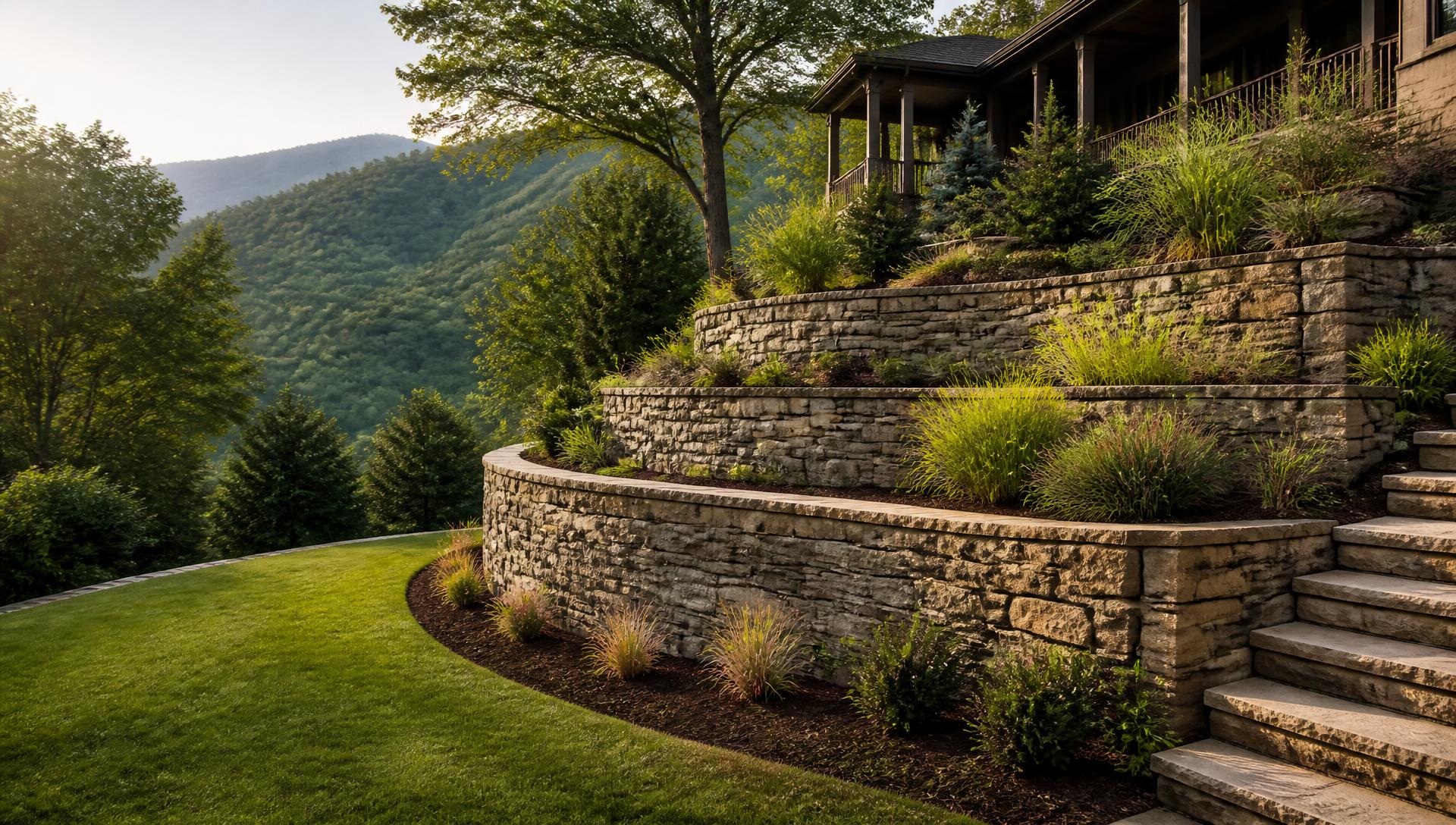
Every extension is different. Some are a single low wall that gains 20 feet of yard. Others are tiered retaining walls that create two or three terraces stepping down a hillside. On acreage in Cherokee, Forsyth, Pickens and Gilmer counties, we've built extensions large enough for a full lawn, a pool and an outdoor kitchen pavilion.
The Retaining Wall: The Backbone of a Level Yard
The retaining wall holds back the weight of the new soil. That weight is enormous. A cubic yard of compacted, wet clay can weigh well over a ton, and a backyard extension may hold back hundreds of yards. A wall that isn't designed for that load will lean, bulge and eventually fail.
For most backyard leveling projects, we recommend segmental retaining walls built from interlocking concrete block. They're strong, flexible, attractive and well suited to North Georgia soils. Taller walls are reinforced with geogrid, layers of engineered mesh that tie the wall into the soil mass behind it. Natural stone and boulder walls work well for a rustic look on acreage. We generally steer clients away from timber walls for structural extensions because they rot over time.
Wall height matters. Many Georgia jurisdictions require engineered plans and permits for walls over a certain height or walls that hold back a load such as a driveway or pool. We'll tell you what your project needs during the site visit. Read our full guide to retaining walls in North Georgia to compare materials, or see our retaining wall services.
Fill Dirt: Where the New Ground Comes From
Once the wall is set, the space behind it has to be filled. Not all dirt is good dirt. Fill dirt for a structural extension should be clean, free of roots, trash and organic matter, and able to compact well. Topsoil is the wrong choice for structural fill. It's spongy and settles. It belongs only in the top few inches, where grass and plants grow.
On many properties we can balance the site, cutting soil from a high area and moving it to the low area. That saves the cost of hauling material in and hauling waste out. When a lot doesn't have enough soil to spare, we import screened fill from trusted local sources.
Compaction is where many yard projects go wrong. Fill must be placed in thin lifts, typically a few inches to about a foot at a time, and compacted with the right equipment before the next layer goes on. Skip that step and the new yard will sink, pull away from the wall and crack any patio or pool deck built on top of it. We treat compaction as non-negotiable.
Drainage: The Step You Can't See but Can't Skip
Water is the number-one enemy of every retaining wall and every leveled yard. Behind the wall, we install drainage aggregate and a perforated drain pipe that carries water out to a safe outlet. On the surface, we grade the new yard with a gentle pitch so rain sheets away from the house and the wall instead of pooling.
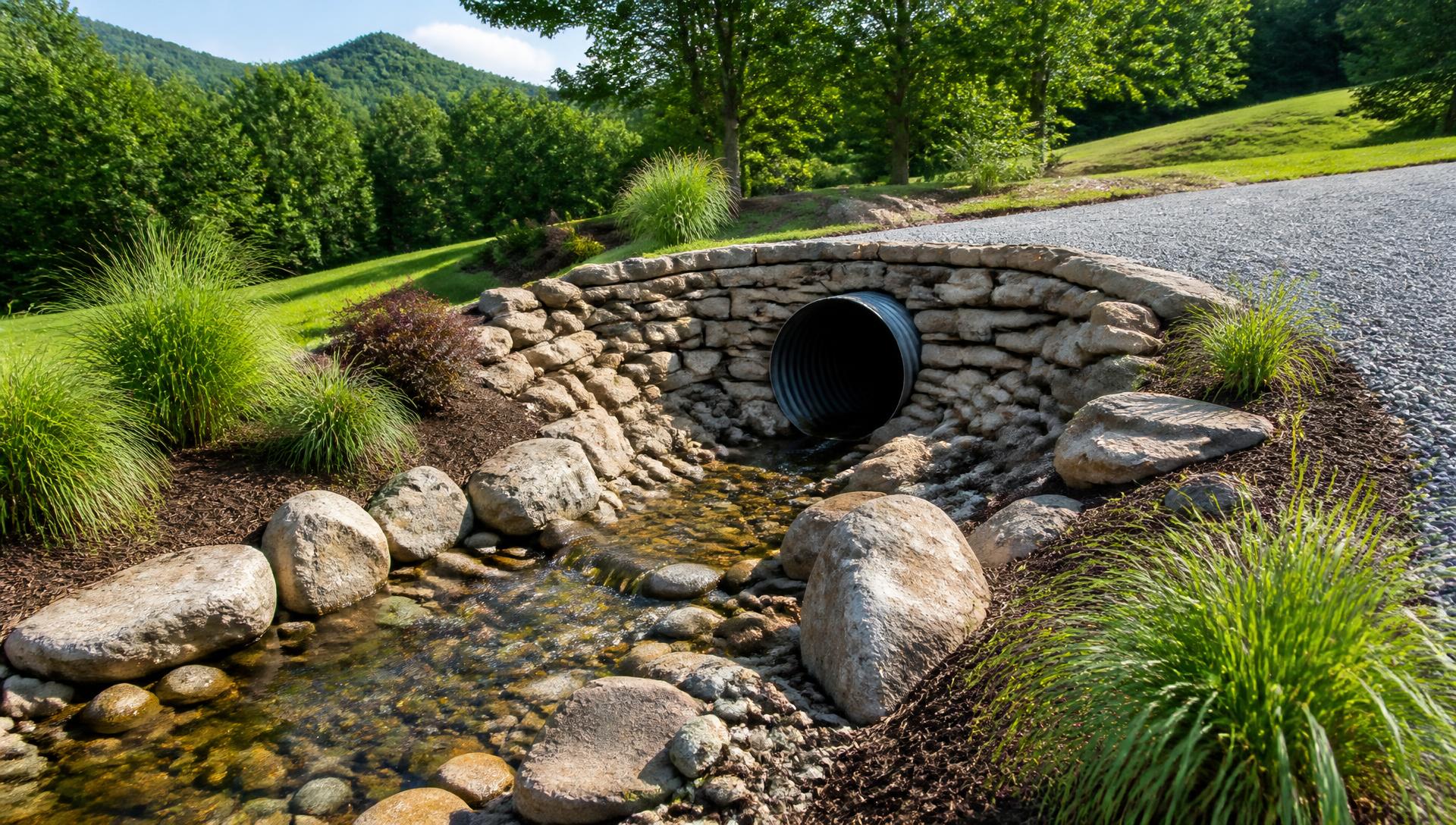
When the slope above the new yard sends water down onto it, we may add French drains, catch basins, swales or a dry creek bed to intercept that runoff first. Downspouts are often tied into underground pipe so roof water doesn't dump onto the new lawn.
Our article on retaining wall drainage goes deeper on backfill, drain pipe and the warning signs of a wall in trouble. Our drainage and erosion control team handles water management on every leveling project we build.
What You Can Build Once the Yard Is Level
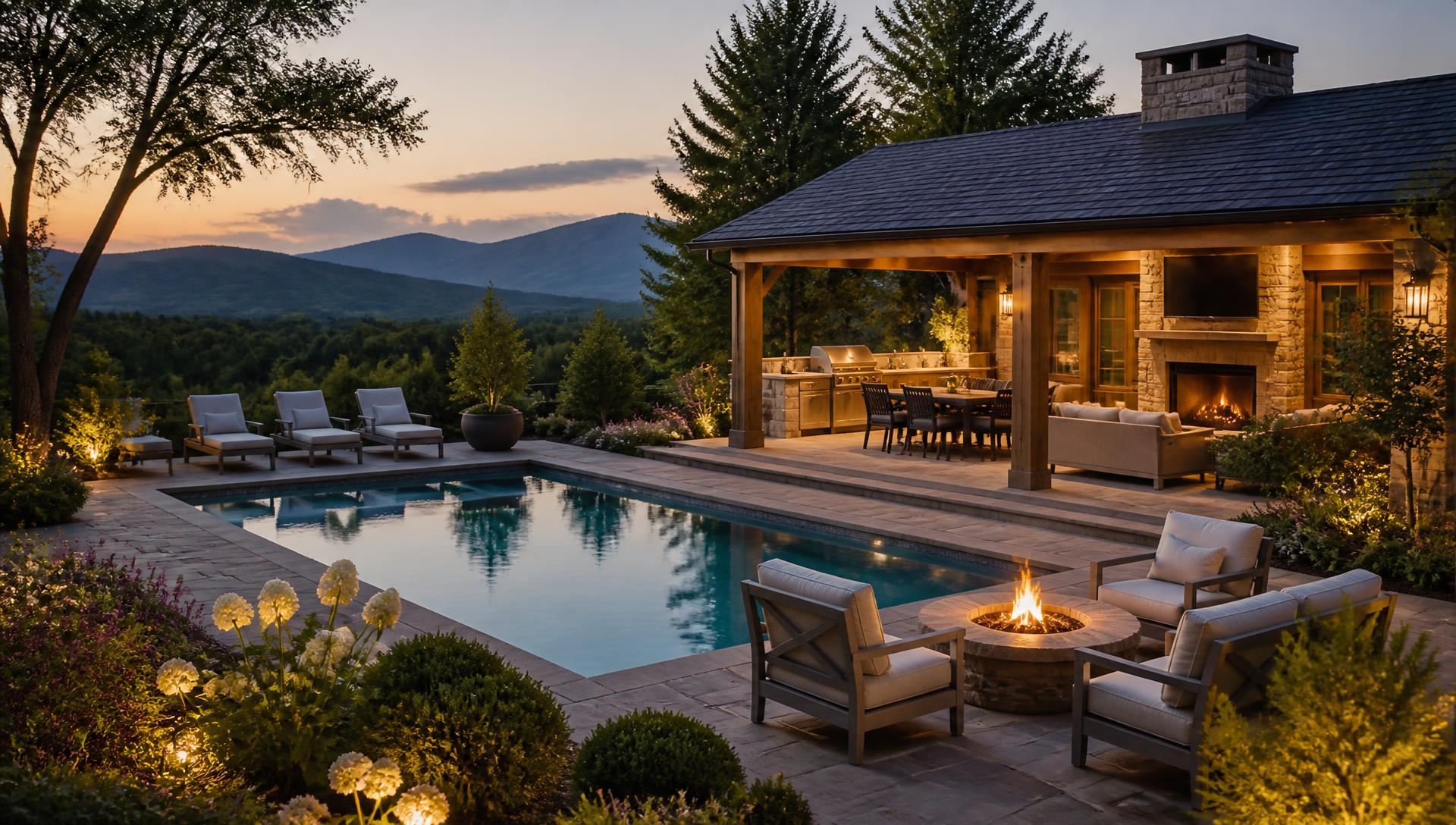
This is the fun part. A level backyard gives you room to live. Here are the features families in Milton, Alpharetta, Roswell, Johns Creek, Cumming and Canton ask for most once the ground is flat.
Fresh Sod: The Simplest Big Upgrade
Sometimes the dream is simple: a flat, green lawn where the kids can run and the dog can play. After grading and topsoil, we lay sod so the yard is green on day one, with no waiting on seed and no mud. Warm-season grasses like Bermuda and Zoysia thrive in full Georgia sun, while some shade-tolerant varieties work better under hardwoods.
A sodded terrace also protects the new soil from erosion right away. Learn more on our sod installation page, or ask about artificial turf for play areas and pet runs.
A Swimming Pool on Once-Sloped Ground
Many homeowners assume a pool is impossible on a hillside lot. Often it isn't. It just has to be planned from the ground up. A pool on an extension needs a structurally designed wall, carefully compacted fill or a pool shell designed to bear on undisturbed soil, and drainage that keeps water pressure off the wall.
We coordinate grading, walls and drainage with your pool builder so the pool, deck and surrounding patio all sit on a stable, level base. Done right, a sloped yard can even become an advantage. Elevated pools with a view over a wall are some of the most striking backyards in North Georgia.
Fire Pits and Gathering Spaces
A fire pit patio is one of the most loved features we build. Gathering around a fire on a cool fall night in North Georgia is hard to beat. On a level terrace, we can build a stone or paver fire pit with built-in seat walls, which can double as the top course of a low retaining wall.
Seat walls, steps and a ring of paver patio turn an awkward slope into a natural amphitheater, perfect for s'mores, football watch parties and long conversations.
Outdoor Kitchens for Entertaining
Families who entertain often ask for an outdoor kitchen with a grill, side burners, a pizza oven, a refrigerator, a sink and bar seating. Each needs a stable, level slab or patio, plus planning for gas, electric and water lines.
When we build the extension, we can lay conduit and sleeves before the patio goes down, so utilities don't have to be trenched through a finished yard later. Pair the kitchen with a pergola or pavilion for shade and you have a true outdoor room. Our article on outdoor structures covers the options.
Kids' Playsets, Sport Courts and Pet Areas
A kids' playset needs flat, safe ground with a soft surface around it. So do basketball courts, pickleball courts and fenced dog runs. These are some of the most common reasons families call us. Their kids are growing up, and there's nowhere level to play.
We grade, wall and drain the area, then finish it with the right surface: engineered wood fiber or turf under a playset, a concrete slab for a sport court, or turf and gravel for a pet area that drains fast and stays clean.
- Playsets and swing sets on level, cushioned ground.
- Basketball and pickleball courts on a properly prepared slab.
- Dog runs and pet areas with turf, fencing and quick drainage.
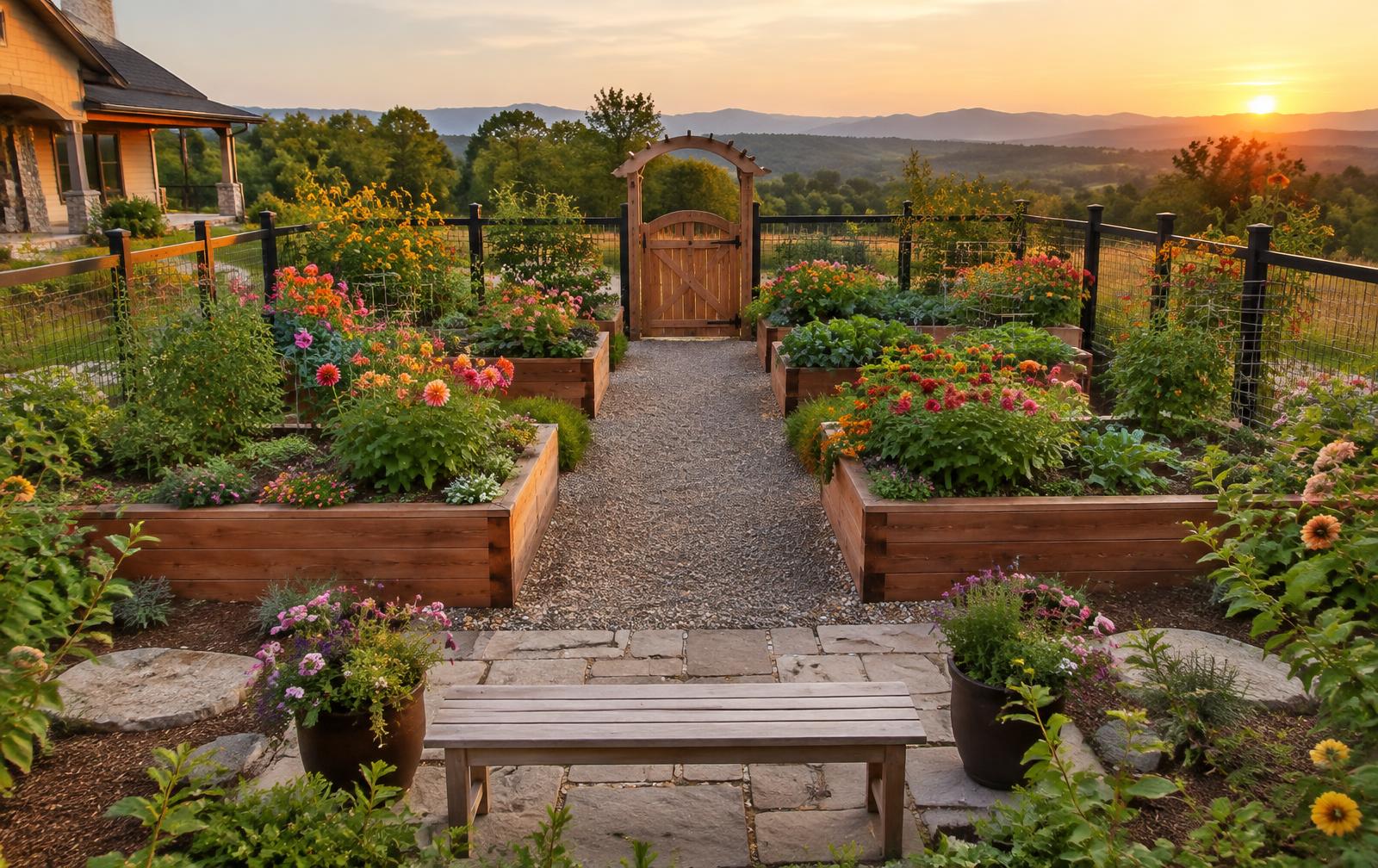
- Garden terraces with raised beds that get the best sun.
How a Backyard Extension Project Comes Together
Every project starts with a conversation and a site visit. We walk the property, look at the slope, soil, drainage, access and trees, and listen to how your family wants to use the space. Then we plan the work.
- Design and rendering: we lay out walls, terraces and features so you can see the new yard before work begins. See our design and renderings process.
- Permits and engineering: for taller or load-bearing walls, we coordinate engineered plans and local permits.
- Access and protection: we plan how equipment reaches the backyard and how to protect your lawn, driveway and landscaping.
- Excavation and wall build: we cut, set the wall base, and build the wall with drainage in place.
- Fill and compaction: fill is placed and compacted in lifts.
- Finish grading and features: topsoil, sod, patios, fire pits, kitchens and play areas.
What Affects the Cost of Leveling a Backyard
We don't give numbers over the phone, because every slope is different. What we can tell you is what drives cost so you can plan.
- Height and length of the retaining wall, and whether it needs engineering and geogrid.
- Amount of fill dirt to import, or whether the site can be balanced.
- Access, since tight side yards may need smaller equipment and more time.
- Drainage needs, including pipe, aggregate, basins and outlets.
- Surface and features, from sod to pools, kitchens and playsets.
- Rock, which is common in North Georgia and can slow excavation.
Signs You're Ready for a Backyard Extension
If any of these sound familiar, a leveling project may be the best investment you can make in your home.
- You've thought about moving just to get a flat yard.
- Your kids or grandkids play in the driveway because the yard is too steep.
- You want a pool, patio or outdoor kitchen but were told the lot won't work.
- Your slope is eroding, washing mud onto patios or walkways.
- You have a failing old wall that needs to be replaced before it gets worse.
Serving North Georgia's Hillside Homes
John Franklin Land Group builds backyard extensions, retaining walls and leveled yards across Milton, Alpharetta, Roswell, Johns Creek, Cumming, Canton, Woodstock, Ball Ground, Jasper, Ellijay, Blue Ridge, Marietta, Buckhead and North Metro Atlanta. See all of our service areas, our backyard remodeling services, and our related guide on leveling hillside and sloped property.
That hill behind your house doesn't have to stay wasted space. With a well-built retaining wall, properly compacted fill dirt and a smart drainage plan, a sloped Georgia backyard can become a level lawn, a pool, a fire pit, an outdoor kitchen or the playset your kids have been asking for. If you're ready to see what your yard could become, start a project with John Franklin Land Group and we'll schedule a site visit.