There is a moment when a successful life starts asking a different question. Not how much more can we build at work, but what kind of life do we want to build at home? At John Franklin Land Group, we hear that question from clients leaving California, Arizona, Nevada and other western states for North Georgia. Some have sold technology companies, automotive businesses or small businesses. Others are raising young children, approaching retirement or imagining a place their grown children and grandchildren will want to return to. They are not simply buying acreage. They are looking for horses outside the window, chickens near the garden, space to grow food and a family rhythm that feels more intentional. This is a guide to turning that vision into a practical family ranch, equestrian property or homestead in Northern Georgia.
Why Leave the West for a Different Southern Chapter?
Every family's reasons are personal. For the clients who share their stories with us, the appeal is often less about rejecting where they came from and more about making room for what comes next. They want privacy without feeling isolated, a connection to seasons and a property that offers something beyond another indoor room. Relocating to North Georgia can be an opportunity to rethink how work, family and outdoor life fit together.
A business sale can create the time and resources to pursue a long-postponed dream: owning horses, learning to garden, raising animals or building a barn with room for a workshop. But you do not need a company-sale story to want that life. Families can start with a modest kitchen garden and a few chickens, or plan a larger estate over several phases. The meaningful question is what you will actually enjoy doing each day.
These are experiences from our client conversations, not a claim that everyone is moving west-to-south for the same reasons. Housing costs, taxes, insurance, employment and family connections vary. Compare your own circumstances with qualified advisers rather than assuming Georgia is automatically less expensive. The best relocation decision is a life decision supported by real numbers, not a romantic photograph alone.
What Does the Good Life Look Like on Your Property?
Picture a morning that begins with feeding chickens rather than checking notifications. A child carries a basket toward the garden, an adult checks the horses and breakfast includes something picked steps from the kitchen. Later, the family walks a shaded trail, works in the orchard or sits outside while the pasture changes color in the evening light. Those moments are the attraction of country living in North Georgia.
Now picture the working side: checking water troughs, arranging veterinary care, repairing a gate and managing a garden when everyone is away. The good life is not an absence of responsibility. It is choosing responsibilities that feel meaningful. Your design should support both the beautiful moments and the ordinary chores that make them possible.
We ask clients to describe an ordinary Tuesday, not just an ideal holiday weekend. How many animals will you care for? Who will manage the land during travel? Do you want a productive smallholding, recreational horses or a quiet rural home with garden views? A self-sustainable property can mean greater household resilience without promising complete independence from groceries, utilities or professional help.
Where to Look: Milton, Canton, Ball Ground and the Mountains
Choosing a location means balancing acreage with the places your family still needs to reach. Consider school routes, medical care, work travel, airport access, feed suppliers, veterinarians and everyday shopping. A beautiful remote parcel can feel different when every errand requires a long drive. Visit at the times you would actually travel and verify services at the specific address.
For families considering the northern metro area, explore our property-service pages for Milton, Alpharetta, Cumming, Canton, Woodstock and Ball Ground. These are starting points for a conversation, not promises that every parcel allows livestock or offers the same character.
Farther north, Jasper, Ellijay and Blue Ridge may appeal to buyers imagining wooded hills, trails and mountain scenery. More slope, however, can mean less usable pasture and more complex access. We also work with families connected to Marietta, Buckhead and North Metro Atlanta who want a different property experience. Pick the land that fits your daily life and intended uses, not only the view from the listing.
When to Move—and What to Check Before Buying Land
Start planning before closing whenever practical. The right time is when you can align the property purchase, household move, school or work commitments and the first construction phase without depending on everything happening at once. Moving in before the pasture is fenced or the driveway is ready can create avoidable stress. Animals need suitable facilities before arrival, not a plan to finish them later.
Acreage on paper is not the same as usable land. Check the survey, recorded access, easements, deed restrictions, zoning and allowed animal uses. Investigate flood exposure, streams, wetlands, septic suitability, water supply and utility access with appropriate professionals. Ask about existing agricultural tax covenants and the implications of changing the property's use. Do not assume a prior owner's arrangement transfers without conditions.
Walk the property and examine where buildings, gardens, paddocks and roads could realistically go. Visit in different conditions when possible. A dry-weather showing may not reveal runoff or a soft driveway. A qualified real estate professional, surveyor, local authorities and relevant specialists each answer different questions. Our role is to help you understand the property-development scope behind the lifestyle you want to build.
A Master Plan Turns Acreage Into a Livable Family Ranch
A well-planned ranch is a connected system. The house, barn, driveway, pasture, garden and riding arena influence one another. Put the barn where delivery trucks cannot reach it, and daily operations become harder. Place the vegetable garden beyond an inconvenient route, and harvesting becomes a chore. Build a future arena over the best drainage corridor, and later phases may require expensive changes.
We start with a conversation about your family, routines, priorities and investment range, then walk the land with those needs in mind. Through property planning and our paid design process, including design and rendering services, larger projects can be organized into a visual plan you can review and refine. The first concept is a starting point for feedback, not an instruction to accept every detail.
Phasing is often useful: establish access and drainage, prepare essential building areas, install safe boundaries and then expand gardens, trails and outdoor gathering spaces. Keep future utilities and structures on the map even if they will wait. A design should also distinguish conceptual ideas from engineering, surveys and approvals required for construction. Plan the whole property; build it at a pace your family can sustain.
Barns, Horses and Riding Arenas Built Around Daily Care
For many relocating families, an equestrian property in North Georgia is the heart of the dream. Horses at home can create a wonderful connection to outdoor life, but the layout must serve their welfare first. Plan pasture, safe turnout, shelter, water, feed storage, manure management and access for veterinarians and farriers. Children learning to ride also need qualified instruction and adult supervision.
A barn should be placed with drainage, airflow, maintenance and service access in mind. Think about the route from house to barn on a rainy morning, where hay will arrive and where equipment can turn. A workshop or storage area may share the property without sharing every animal-care space. Our barns and outbuildings services help connect the structure to its setting.
A riding arena needs suitable siting, grading, drainage and footing selected for its use. Covered riding areas add structural and approval considerations. Pasture management also differs from western dry-land conditions; consult a veterinarian or extension specialist about forage, including endophyte-infected tall fescue risks for pregnant mares. Our equestrian services bring barns, arenas, fencing and mud management into one property conversation.
Kids on the Farm: Chickens, Ponies and Real Responsibility
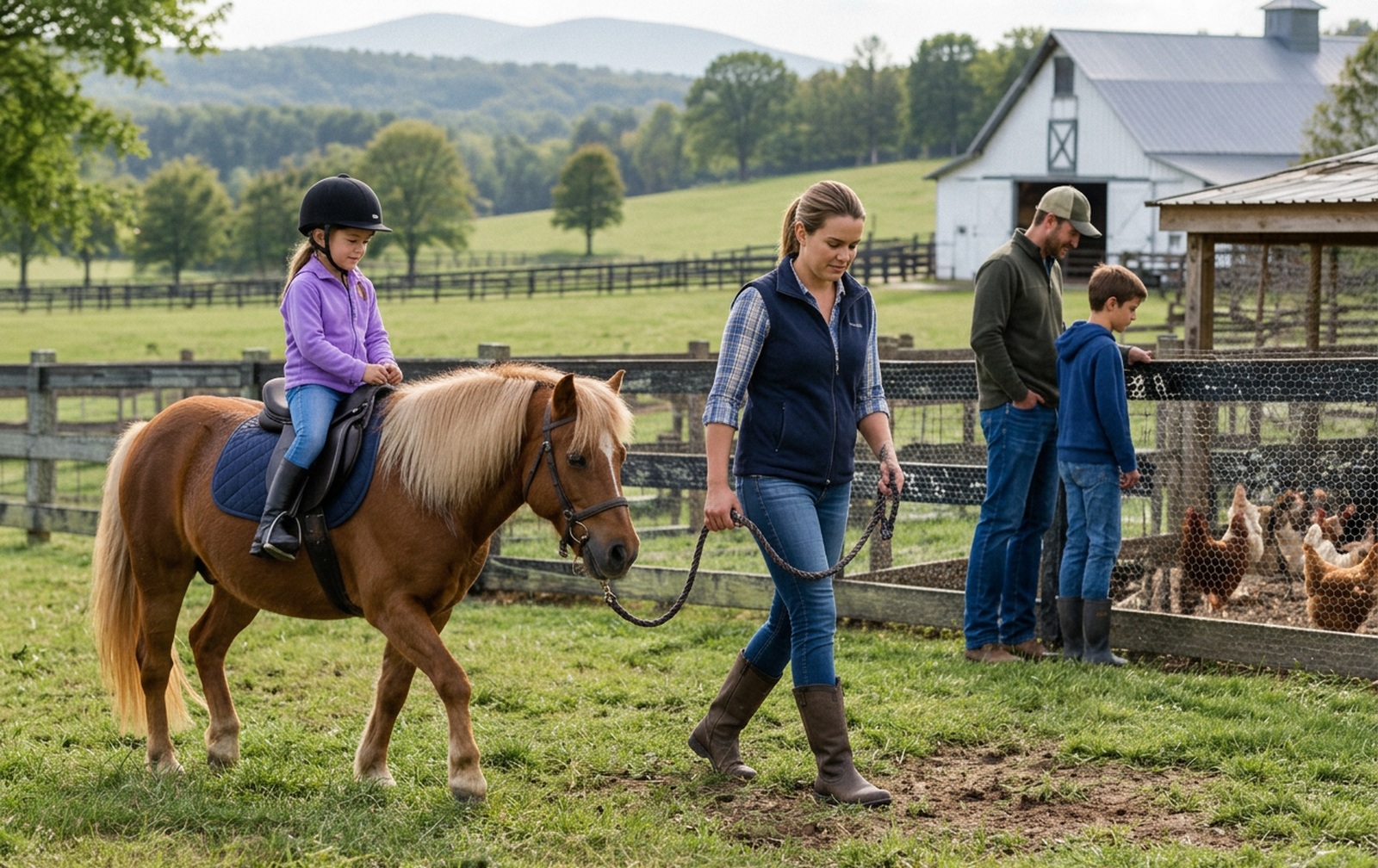
A farm can give children a memorable relationship with living things. Gathering eggs, checking a garden bed or helping brush a pony can become a lesson in patience and care. The work must be age-appropriate and supervised. Animals, machinery, ponds and electric fencing introduce hazards, so a family-focused plan includes clear boundaries between play areas, work zones and animal spaces.
A chicken coop and protected run need predator-aware construction, ventilation, clean water and practical cleaning access. Wash hands after handling birds or their surroundings, and keep animal-care equipment separate from food-preparation spaces. Children should learn that livestock are not toys; even familiar animals can react suddenly. Good farm memories are built on safe routines rather than unsupervised freedom.
For grandparents, the appeal may be a place where grandchildren can experience something different from city life: a supervised pony ride, a basket of beans, watching calves from outside the fence. Plan paths, seating and accessible gathering areas so multiple generations can participate. The property can offer adventure without requiring every visitor to be an experienced farmer.
Cattle, Raising Beef and Pasture That Can Support the Plan
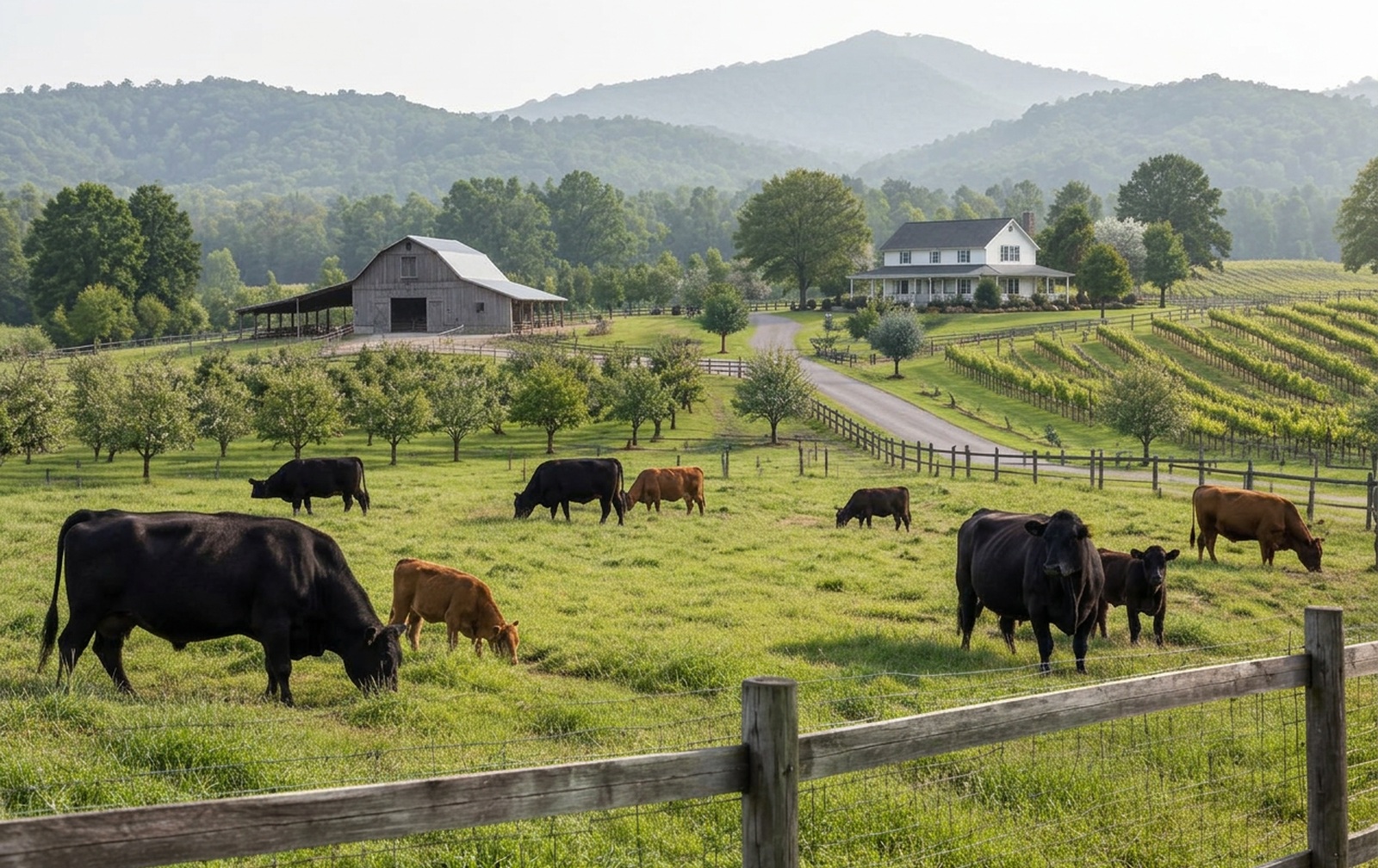
Raising cattle or beef for the family is a different undertaking from keeping a few backyard hens. Before selecting animals, assess forage, water, fencing, handling facilities, veterinary support and feed costs. Stocking capacity depends on actual pasture conditions and management, not a universal animals-per-acre promise. A farm adviser can help you understand what the land can responsibly support.
Rotational grazing may involve cross-fencing, separate paddocks and dependable access to water. Plan how animals move and how equipment reaches each area without mixing cattle traffic with children's play spaces. Handling and loading require appropriate facilities and experienced support. If home-raised beef is part of the goal, investigate processing availability and applicable rules well before animals reach the intended stage.
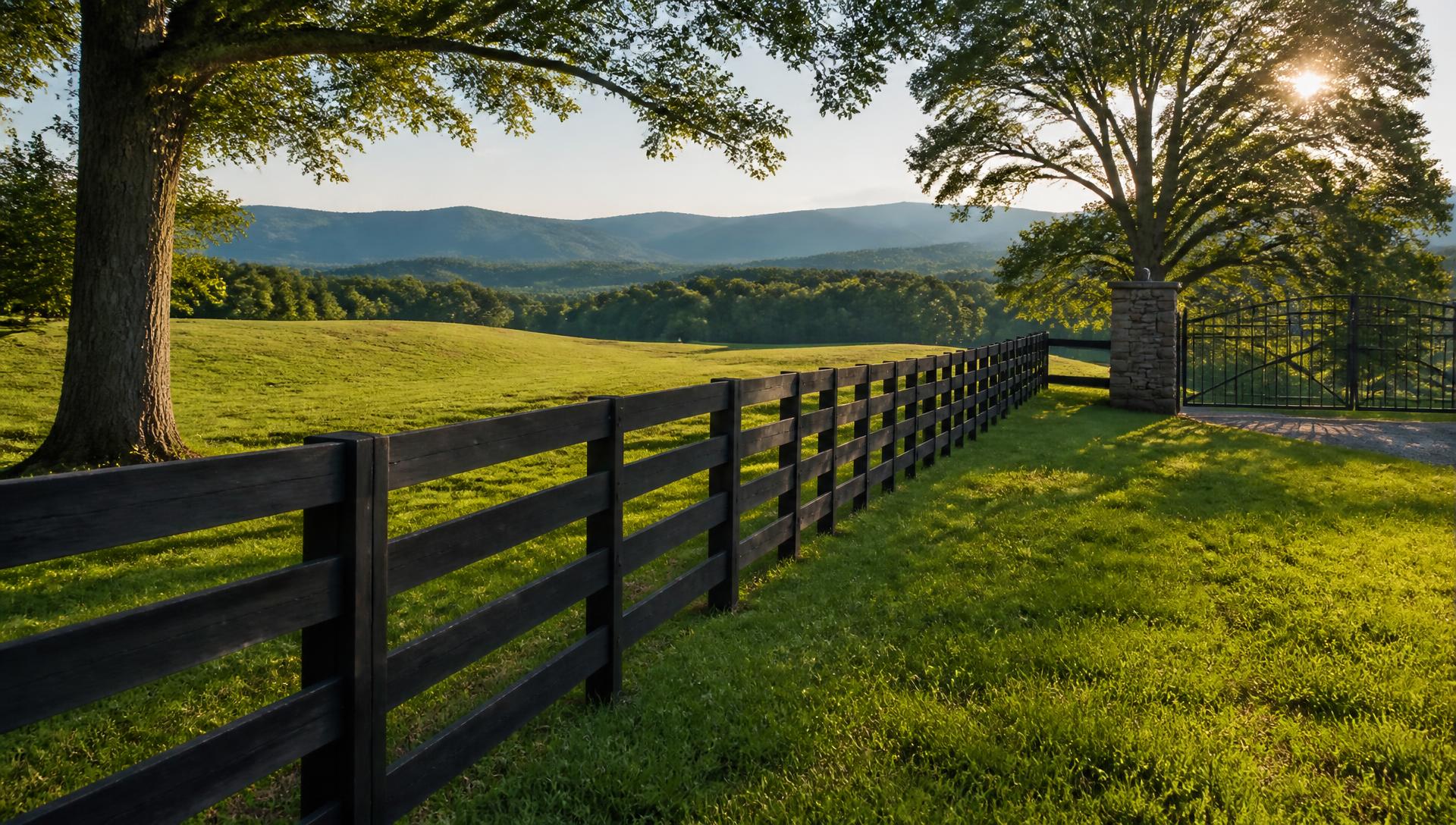
The same principle applies to goats, sheep or mixed livestock: each species brings different containment and care needs. See our fencing guide for the distinction between horse-safe fencing, cattle systems and controlled entrances. Sustainable ambition means matching the herd to the land, the budget and the people available to care for it.
Food Gardens, Lush Greens and a Kitchen That Follows the Seasons
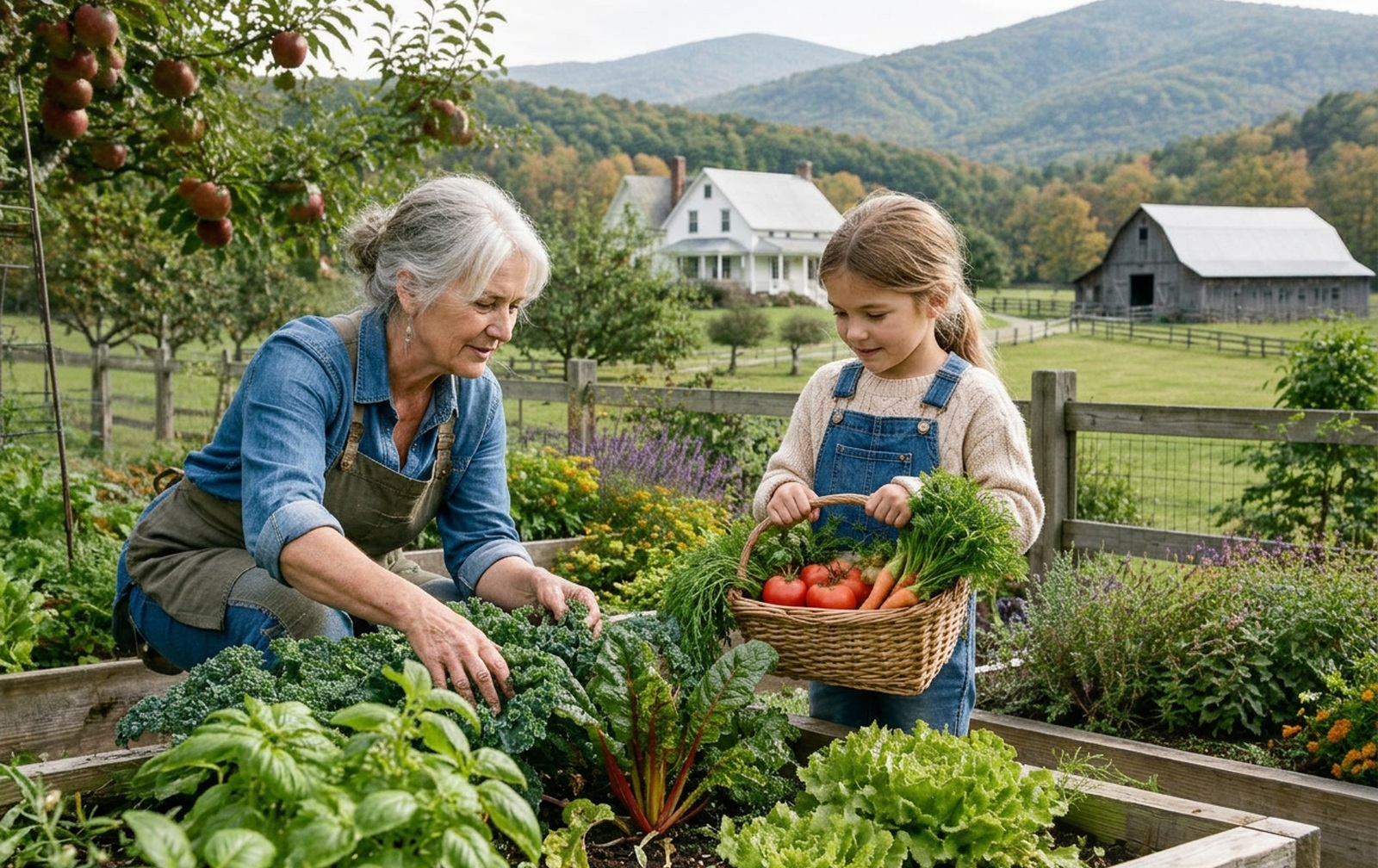
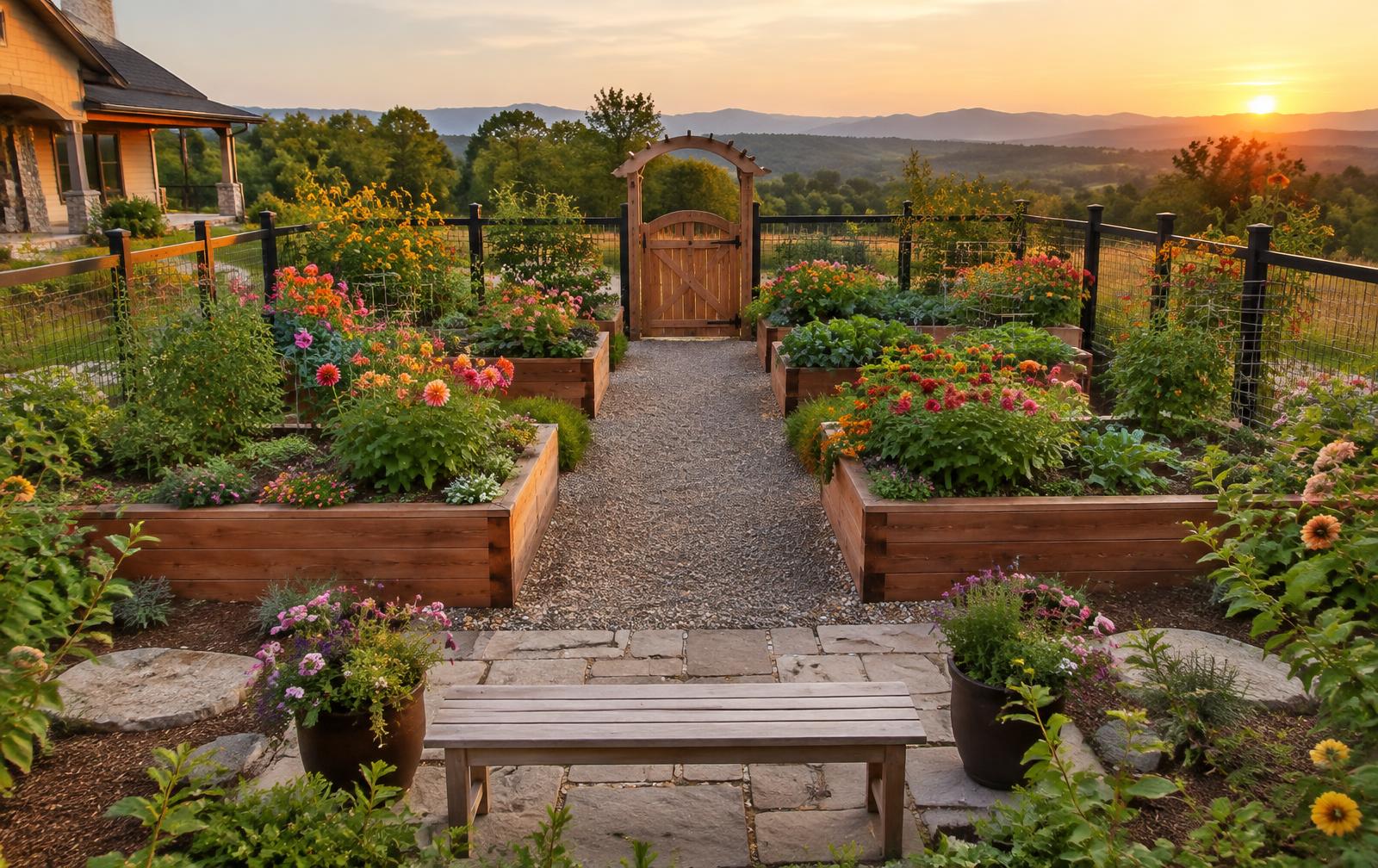
A North Georgia kitchen garden can be beautiful and useful at the same time. Picture leafy greens, herbs near the kitchen door, summer vegetables and flowers along a path wide enough for a wheelbarrow. A productive garden begins with sunlight, soil testing, water access and a layout you can maintain. Raised beds are one option, not a substitute for understanding the site's conditions.
Relocating from Arizona, Nevada or parts of California means learning a different gardening rhythm. Rain, humidity, frost timing and pest pressure affect planting and maintenance. Local extension guidance is more useful than copying a western planting calendar. Start with manageable beds, build a routine and expand after seeing what your household actually eats and enjoys growing.
We focus on the construction and property-planning side: garden layout, grading, fencing, paths, gates and supporting infrastructure. Pair that work with horticultural advice suited to your location. A seating area beside the garden makes it a destination rather than only a work space. Children can have a small supervised growing bed, and grandparents can participate without navigating a steep or muddy route.
Orchards and Vineyards: Plan for Years, Not Just Planting Day
An orchard or small vineyard can add a meaningful long-term layer to a family property. Apples, pears, berries or grapes may be part of the vision, but varieties and site suitability need local advice. Soil drainage, air movement, sunlight, pollination requirements and disease management all influence success. A hillside view does not automatically make a site suitable for fruit production.
For North Georgia vineyard planning, avoid assuming that experience with western wine regions transfers directly. Humidity and disease pressure can change the management requirements substantially. Georgia grape suitability varies by region and elevation, and muscadines are not a universal answer for every mountain site. Consult local extension or a qualified viticulture adviser before buying plants or dedicating a large area.
Leave room for maintenance access, trellises where needed and safe movement of equipment. Fruit production takes time and ongoing care; an orchard is a living commitment rather than an instant pantry. Families who begin modestly can learn pruning, harvest timing and storage before expanding. The reward is not only the fruit—it is seeing a landscape mature alongside the family.
Preserving Food and Canning With Confidence
Harvest season can become a family tradition: washing produce, sorting fruit, freezing portions and learning safe preservation methods. Home food preservation extends the usefulness of a garden and creates a tangible connection between land and kitchen. But safety belongs at the center of the tradition, especially when children or inexperienced adults are helping.
Use current, research-tested guidance from the National Center for Home Food Preservation rather than improvising a recipe or relying on a social-media shortcut. Low-acid foods such as most vegetables and meats require appropriate pressure-canning methods under tested instructions. Food acidity, jar size, equipment and elevation adjustments matter. This article is not a canning recipe or a substitute for those instructions.
Planning can support the habit: adequate kitchen work space, clean storage, room for suitable equipment and a practical route from garden to house. Not every harvest must be canned; freezing and other appropriate methods can fit your schedule. A self-reliant household is one that chooses safe, manageable routines rather than trying to preserve everything at once.
Riding Trails, Woodland Walks and Time to Breathe
A private trail can connect the quieter parts of a property: a woodland edge, a meadow, a sitting spot or a route between paddocks. Horse riding trails need suitable footing, clearance and grades, while walking paths may serve different users. Plan stream crossings and disturbed areas carefully with relevant professionals and approvals; the shortest route is not always the most responsible one.
Land can feel restorative because it changes the pace of attention. Watching a horse graze, tending a plant or taking a quiet walk can create space between a person and the demands of the day. Research associates nature exposure with potential wellbeing benefits, but a property is not a medical treatment or a guaranteed cure for anxiety, depression or trauma. Professional care remains important when needed.
When families tell us they want land that feels healing, we hear a desire for peace, purpose and connection. We can help shape places that support those routines: a garden bench, a shaded path, a comfortable outdoor table, views into a pasture. The John Franklin family and team understand that desire personally. We have pursued a more land-connected life for our own family, and we value helping others explore what it can mean for theirs.
Budgeting, Maintenance and Building for Future Generations
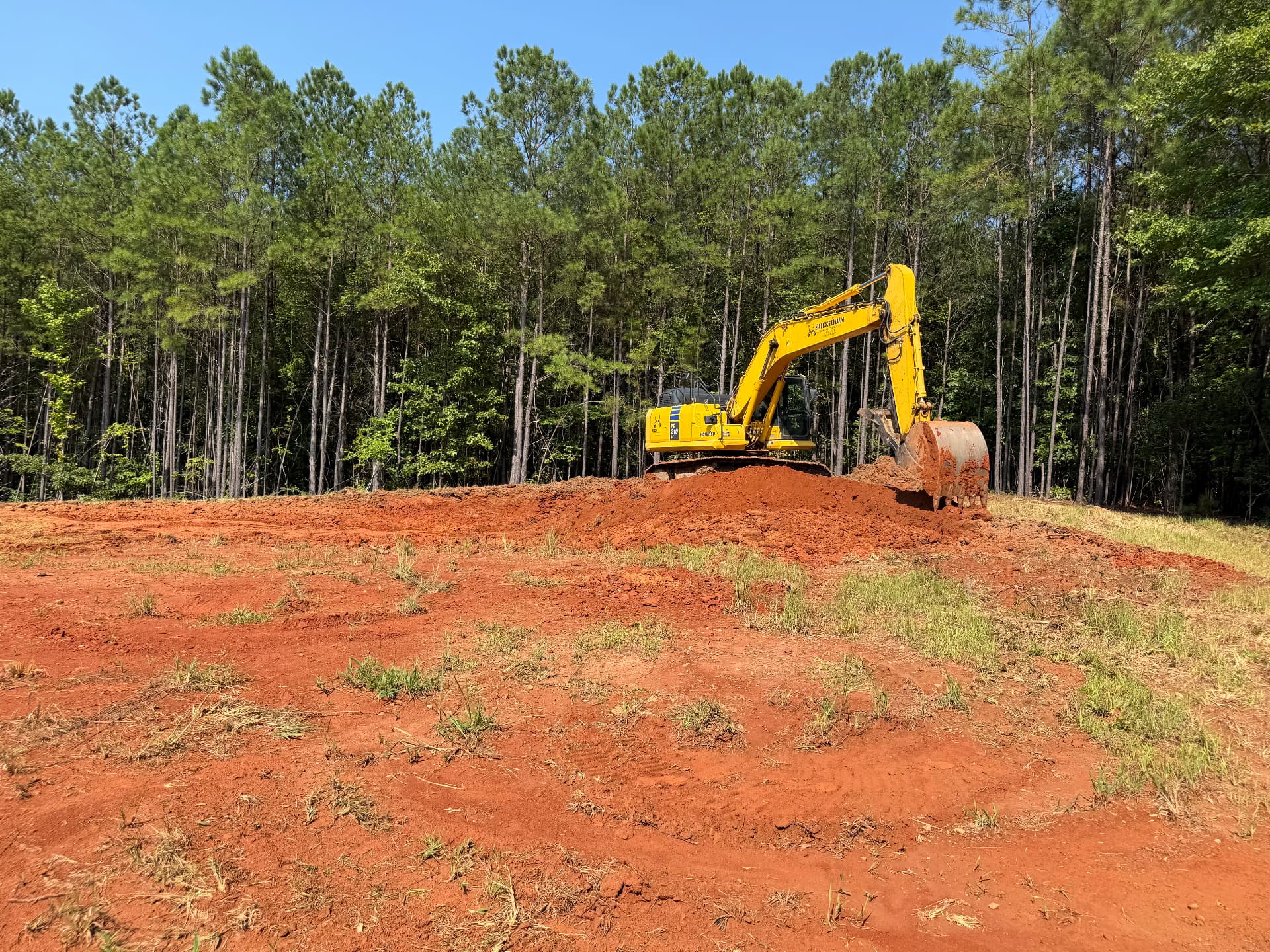
Separate the land purchase from the cost of making it work. Access roads, clearing, drainage, utilities, fencing, buildings and ongoing care can be substantial parts of a ranch budget. Keep a contingency and ask for clearly defined scopes. A property with existing infrastructure may still need repairs or reconfiguration. The most affordable-looking acreage is not necessarily the least costly to develop.
Plan who will care for animals and plants during travel, illness or busy periods. Reliable support can be as important as another feature on the design. Consider maintenance equipment, storage and the time required to use them safely. Self-sustainability is better understood as thoughtful resilience than a promise that you will never depend on outside services.
For future generations, leave flexibility. Children grow, accessibility needs change and interests evolve. A barn, trail network and outdoor gathering area can support many chapters, but ownership and inheritance decisions need qualified legal and financial advice. Invite the family into the planning conversation without assuming they will all want the same role in managing the property.
How John Franklin Helps You Build the Southern Life You Imagine
You do not need to arrive with a finished ranch plan or the vocabulary of an experienced farmer. Bring the pictures, questions and ordinary-life goals. Tell us whether the priority is children with ponies, a garden that feeds the kitchen, a few cattle, a private riding arena or simply a place to gather outside. We listen, explore options and connect the vision to the land's opportunities and constraints.
Our work brings together land development, property access, drainage, fencing, barns and equestrian planning. We can help organize a larger vision through paid design services, while veterinarians, horticultural advisers and other qualified professionals support their own areas of expertise. We do not promise that one company replaces every specialist a working farm needs.
Whether you are moving from California to Georgia, leaving Arizona or Nevada for North Georgia, or making a change closer to home, the dream deserves thoughtful preparation. Build a property that fits who you are now, leaves room for who your children will become and gives everyday life a little more connection to the outdoors. That is a good life worth planning carefully.
Resources for Your Next Chapter
For practical follow-up, consult UGA's Georgia wine grape growing regions guidance, UGA Extension on fescue toxicosis in horses and the National Center for Home Food Preservation. For the wellbeing discussion, see the review Associations Between Nature Exposure and Health. Apply these resources with local, site-specific advice rather than treating a lifestyle article as a technical prescription.
More room. More purpose. More memories made together. If a North Georgia ranch, equestrian estate or family homestead is your next chapter, start a project or contact John Franklin Land Group. We would love to hear what the good life looks like for your family—and help you plan the property that supports it.