One of the most common questions we hear from homeowners in Milton, Alpharetta, Cumming, Canton, Woodstock, Marietta, Buckhead and North Metro Atlanta is simple: should we install artificial turf or real grass sod? Families in Ball Ground, Jasper, Ellijay and Blue Ridge ask it too, usually about a play area, a dog run or a steep spot where grass never seems to take. There's no single right answer. Synthetic turf and natural sod each solve different problems, and the best choice depends on your sun and shade, your soil, how you use the yard, your budget and how much maintenance you're willing to take on. This guide compares artificial turf vs. sod honestly — the pros and cons, the installed cost, the best grass types for North Georgia, when to plant, and the factors people often forget until after the project is done.
The Short Answer: It Depends on How You Live in Your Yard
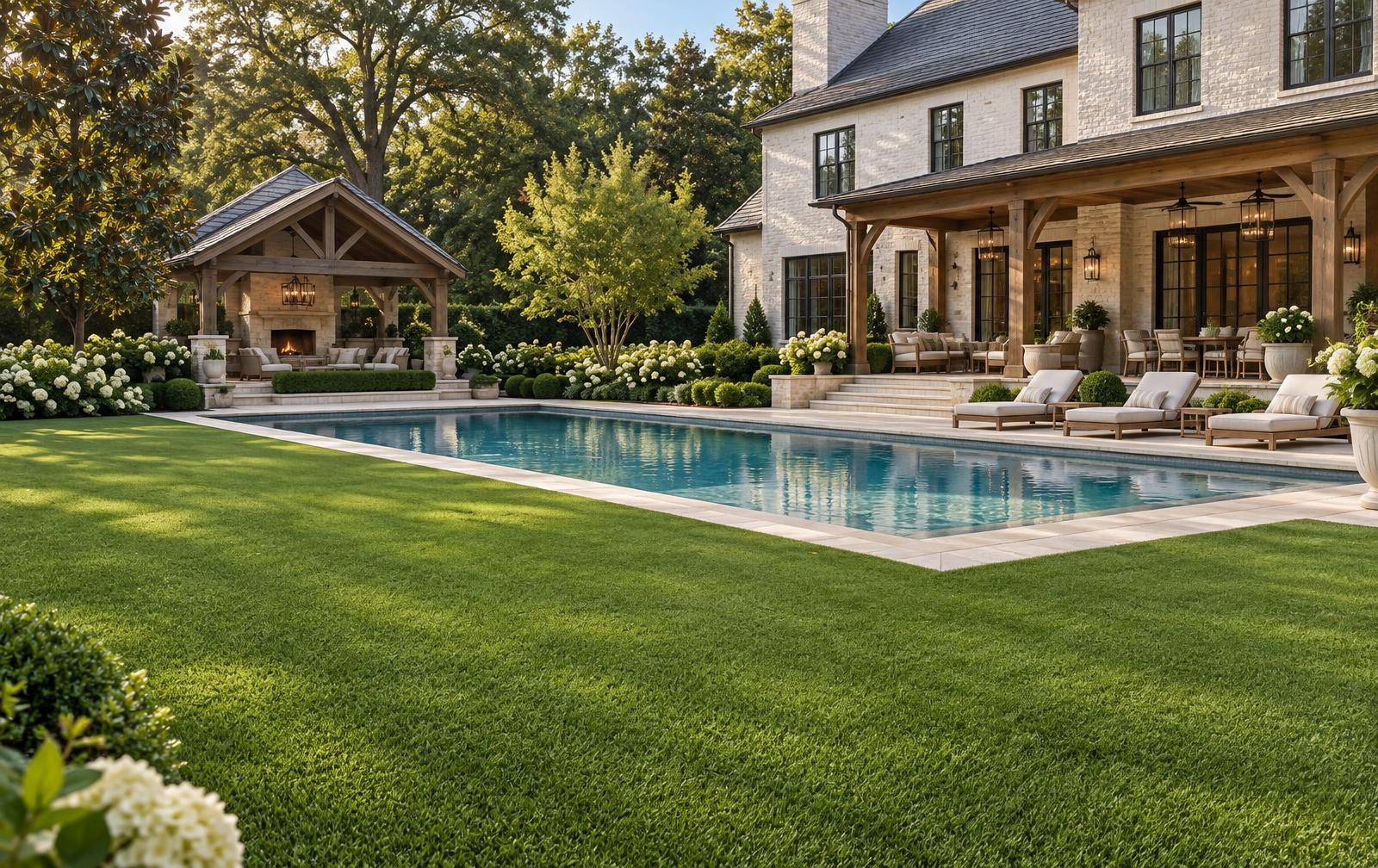
If you want a living lawn that stays cooler underfoot, absorbs rain, supports soil health and costs less to install, natural sod is usually the better value. If you need a low-maintenance, always-green surface for a high-traffic play area, a putting green, a pet area, a shady side yard or a spot where grass simply won't grow, artificial turf can be the smarter investment.
Many of our best projects use both. A family in Alpharetta might choose Zoysia sod for the main backyard lawn and synthetic turf under the playset and along the dog run. A homeowner in Milton might sod the front yard for curb appeal and install a backyard putting green beside the patio. Thinking in zones, rather than all-or-nothing, usually gives you the best result for the budget.
Natural Grass Sod: The Pros
Sod installation gives you a finished lawn the day it's laid. Unlike seed, it doesn't wash away in the first summer storm, and it starts protecting the soil from erosion right away — a big deal on the sloped lots and red clay common across North Georgia.
- Lower upfront cost: installed sod typically costs a fraction of artificial turf per square foot.
- Cooler surface: living grass cools itself through moisture and stays comfortable for bare feet on hot July afternoons.
- Natural drainage and stormwater control: healthy turfgrass roots absorb rain, slow runoff and filter water before it reaches creeks and storm drains.
- Soil and environmental benefits: grass feeds soil life, captures carbon and supports a healthier yard ecosystem.
- Repairs itself: warm-season grasses like Bermuda and Zoysia spread and fill in worn spots during the growing season.
- Curb appeal and resale: a thick, green, natural lawn is still what most buyers expect in North Metro Atlanta neighborhoods.
Natural Grass Sod: The Cons
Real grass is alive, which means it needs care. The downsides of a natural lawn are mostly about time, water and the right conditions.
- Ongoing maintenance: mowing, fertilizing, weed control, aeration and occasional pest or disease treatment.
- Water: new sod needs consistent watering for the first few weeks, and established lawns may need irrigation during dry stretches. Follow current Georgia outdoor watering rules.
- Sun requirements: most turfgrass needs several hours of direct sun. Heavy shade under mature hardwoods is where lawns struggle most.
- Dormancy: warm-season grasses like Bermuda and Zoysia turn tan in winter. That's normal, but some homeowners don't love the look.
- Wear and mud: high-traffic areas, dog paths and spots under playsets can wear down to bare clay and turn muddy after rain.
Artificial Turf: The Pros
Modern synthetic grass looks far more realistic than the turf of 20 years ago, with multi-tone blades, thatch layers and textures designed to mimic real lawn. For the right area, the benefits are real.
- Low maintenance: no mowing, fertilizing or weed-and-feed. Routine care is mostly blowing off leaves, rinsing and occasional brushing.
- Green year-round: no winter dormancy, no brown patches, no mud.
- Grows where grass won't: deep shade, under decks, narrow side yards and heavy-traffic zones.
- Great for kids and play areas: paired with a proper shock pad, turf makes a clean, consistent surface under playsets and swing sets.
- Pet-friendly options: pet turf with a permeable backing, the right infill and a drainage base keeps dog runs clean and usable after rain.
- Specialty uses: backyard putting greens, bocce areas, rooftop and patio accents, and sport and training zones.
- Less irrigation: turf doesn't need regular watering to survive, though occasional rinsing helps with heat, dust and pet areas.
Artificial Turf: The Cons
Synthetic turf isn't maintenance-free or problem-free, and it's important to go in with clear expectations.
- Higher upfront cost: artificial turf installation costs significantly more per square foot than sod.
- Surface heat: in full Georgia sun, synthetic turf can get much hotter than natural grass. Lighter-colored or heat-reducing products and infills help, and a quick rinse cools it, but it will never be as cool as a living lawn.
- Limited lifespan: quality turf commonly lasts around 10–20 years depending on product, use and sun exposure, then it needs replacement and disposal.
- Not truly zero-maintenance: leaves, pollen, pet waste and debris still need to be cleaned, and infill may need to be topped off and brushed.
- Environmental trade-offs: turf is plastic, provides no habitat or soil benefits, and doesn't cool the air the way plants do.
- Drainage depends on the base: turf installed over unprepared red clay can puddle, smell and shift. The base is everything.
- Repairs are visible: seams, tears and burns from grills or fire pits must be patched rather than growing back.
Best Grass Types for North Georgia: Sun vs. Shade
If you choose a natural lawn, picking the right grass for your light and location matters more than anything else. North Georgia sits in a transition zone: the Metro Atlanta suburbs are warm-season grass country, while the higher, cooler mountain communities around Blue Ridge and Ellijay can also grow cool-season grasses well.
Bermuda grass — the full-sun favorite. Bermuda is the go-to for direct sunlight. It's tough, drought-tolerant, recovers fast from wear and makes a dense, athletic-looking lawn. It's why you see it on golf courses and sports fields. The catch: Bermuda needs full sun — ideally most of the day — and thins out quickly in shade. It also spreads aggressively into beds if edges aren't maintained.
Zoysia grass — the shade-tolerant favorite. Zoysia is great for partially shaded areas and is one of the most popular sod choices in Milton, Alpharetta and Johns Creek. It forms a thick, carpet-like lawn that feels soft underfoot, crowds out weeds and handles moderate traffic. Zoysia still needs some sun — a few hours of direct or filtered light — so it's a great choice for yards with trees but not deep, all-day shade. It grows more slowly than Bermuda, so it recovers from damage more slowly too.
Tall fescue — the cool-season shade option. Fescue stays green through much of the winter and tolerates more shade than the warm-season grasses, which makes it popular under tree canopies and in the North Georgia mountains. It can struggle in the heat and humidity of a Metro Atlanta summer and is often reseeded or overseeded in the fall.
Centipede and St. Augustine. Centipede is a lower-maintenance option that likes acidic soil and lighter fertilization. St. Augustine has good shade tolerance but is less cold-hardy, so it's generally a better fit farther south than our service area.
- Full sun (6+ hours): Bermuda, or Zoysia
- Partial shade (about 4–6 hours): Zoysia is usually the best warm-season choice
- Heavy shade under trees: fescue, selective tree limbing to open light — or artificial turf
- Mountain properties (Blue Ridge, Ellijay, Jasper): fescue and Zoysia are both common; we'll match the grass to elevation and exposure
When to Plant Sod in North Georgia
Timing affects how quickly sod roots in and how much water it takes to get established.
Warm-season sod (Bermuda, Zoysia, centipede) roots best when it's actively growing, roughly late spring through summer, once soil has warmed. It can be laid in fall too, but it roots more slowly as it heads toward dormancy and needs care through winter. Dormant installations are possible but slower to establish.
Fescue prefers cooler weather. Fall is the classic window for fescue seeding and sod in North Georgia, with spring as a second option. Planting fescue right before the summer heat is the most common reason it fails.
Artificial turf can be installed almost any time of year, as long as the ground isn't saturated or frozen during base work. That flexibility is one reason some families choose turf for a project that needs to be finished before a party, a graduation or the holidays.
Cost of Artificial Turf vs. Real Sod
Every yard is different, so the only real number is a quote after we see your property. But here are general ranges to help you plan. These are typical market ranges, not a John Franklin Land Group price list.
Sod installation in North Georgia commonly runs in the range of a few dollars per square foot installed, depending on grass type (Zoysia usually costs more than Bermuda), the amount of soil prep, grading and access. Removing an old lawn, hauling in topsoil, fixing drainage or adding irrigation adds to the cost.
Artificial turf installation commonly runs several times the cost of sod per square foot, often in the low-to-mid teens or higher for premium pet turf, putting greens, shock pads under play areas, or difficult access. The turf itself is only part of the price — the excavation, compacted aggregate base, edging, drainage and labor make up much of it.
Look at the long-term cost too. Sod costs less upfront but carries ongoing mowing, fertilizer, water and lawn-care costs. Turf costs more upfront and much less to maintain year to year, but it eventually needs to be replaced. Over 10 to 15 years, the gap narrows — and for small, hard-to-maintain areas, turf can come out ahead.
- Size and shape: small, curved areas cost more per square foot than large, simple ones.
- Grading and soil prep: leveling slopes or bringing in fill and topsoil.
- Drainage: French drains, regrading or a permeable base where water collects.
- Access: tight gates, steep yards and long carries require smaller equipment and more labor.
- Product choice: grass variety for sod; pile height, density, backing and infill for turf.
- Extras: irrigation, shock pads, borders, steppers, lighting and hardscape edging.
Why the Base and Drainage Decide Whether Either One Lasts
This is the part most homeowners don't think about, and it's where we spend the most time. North Georgia's red clay holds water, compacts hard and drains slowly. Whether you choose sod or turf, what's underneath determines whether it thrives or fails.
For sod, we loosen compacted soil, correct the grade so water moves away from the house, amend with quality topsoil where needed and make sure the surface is smooth and level before a single roll goes down. Sod laid on hard, unprepared clay often struggles to root.
For artificial turf, we excavate, install and compact a crushed stone base, set the grade for drainage and secure the edges. On sloped or wet yards we may add drainage lines. Skipping this step is why some turf jobs ripple, puddle or smell within a few years. Learn more about our drainage and erosion control work and site grading.
Kids, Pets and Safety
For play areas, turf with a properly rated shock pad provides a consistent, mud-free surface under playsets. Natural grass is softer and cooler but wears thin under swings and slides. Many families use turf under the play equipment and sod for the open lawn.
For dogs, natural grass can develop urine spots and worn paths, while turf needs a permeable backing, the right infill, a well-draining base and regular rinsing to stay fresh. Dogs who dig can damage both.
Heat safety: in midsummer, check the surface temperature of any synthetic turf before kids or pets play barefoot, and consider shade from trees, a pergola or a shade sail near turf play areas.
Other Factors People Don't Think About
Beyond cost and maintenance, these details often decide which surface is right for a North Georgia yard.
- HOA rules: some North Metro Atlanta HOAs restrict artificial turf in front yards. Check covenants before you commit.
- Trees and leaves: a yard under oaks and pines drops leaves, needles and sap. Turf needs regular blowing; grass under heavy canopy may need thinning or limbing to survive.
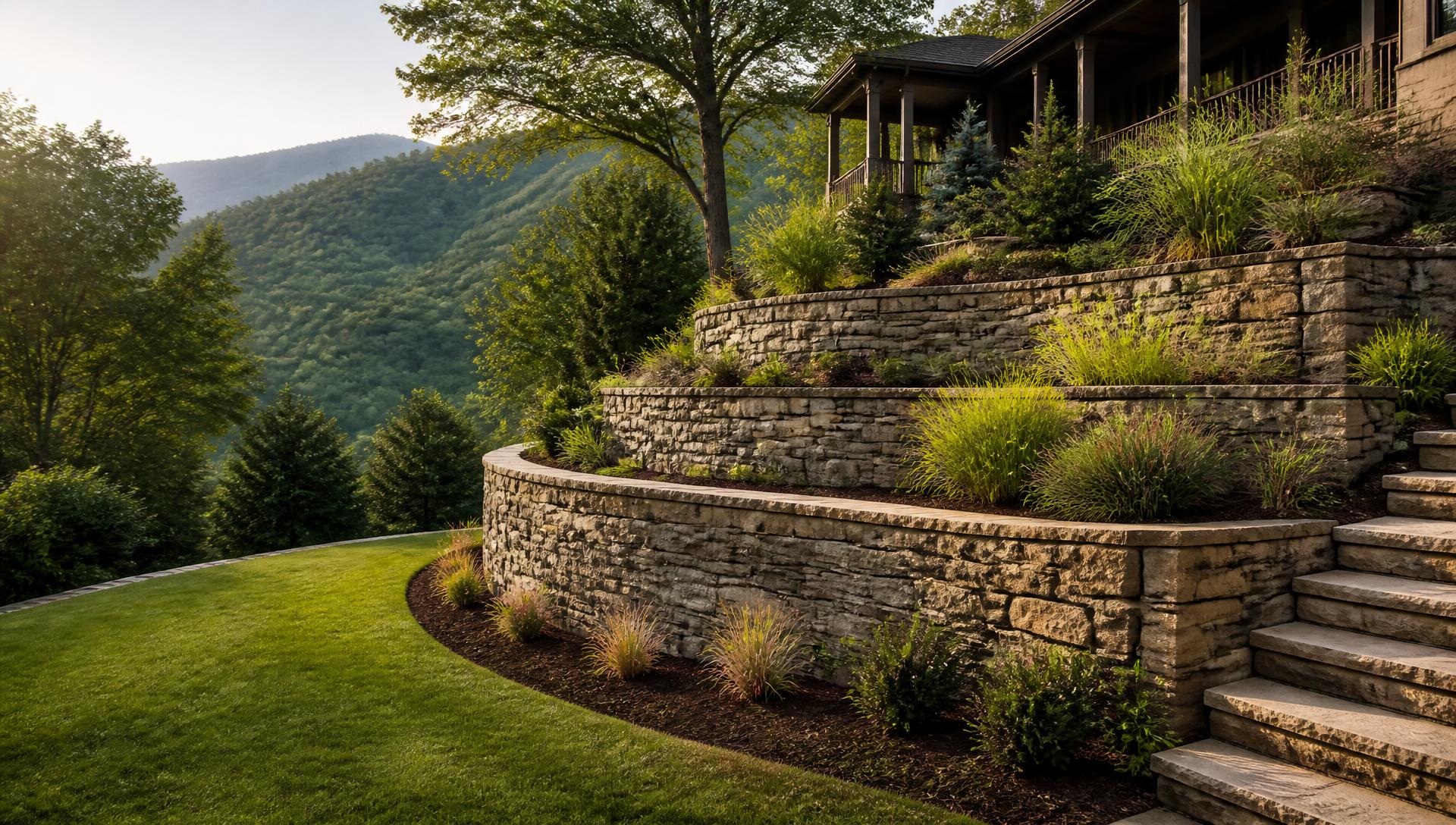
- Slopes: both work on gentle slopes, but steep banks may be better served by a retaining wall that creates level ground first.
- Fire pits and grills: synthetic turf can melt from embers and hot grills — plan a stone or paver buffer around fire features.
- Resale and curb appeal: a healthy natural front lawn is still the standard in many neighborhoods; turf often makes the most sense in backyards.
- Water and irrigation: sod may need an irrigation system to look its best through a dry Georgia summer.
- Disposal: turf eventually needs to be removed and replaced; sod simply keeps growing with care.
- Time to enjoy: sod needs a few weeks off-limits while it roots; turf is usable almost immediately.
Quick Comparison: Artificial Turf vs. Sod
Here is how synthetic turf and natural sod compare side by side.
- Upfront cost: sod lower · turf higher
- Maintenance: sod ongoing · turf minimal
- Summer surface heat: sod cooler · turf hotter in full sun
- Shade: sod depends on grass type · turf works anywhere
- Winter color: warm-season sod goes dormant · turf stays green
- Drainage and stormwater: sod absorbs naturally · turf depends on the base
- Lifespan: sod indefinite with care · turf roughly 10–20 years
- Best for: sod — main lawns, curb appeal, large areas · turf — play areas, pet runs, putting greens, deep shade, small high-traffic spaces
How We Help You Decide
At John Franklin Land Group, we don't push one product. We walk your yard, look at sun and shade through the day, check the soil and drainage, and talk through how your family actually uses the space. Then we recommend the right mix — sometimes all sod, sometimes all turf, often both.
We often pair lawn work with larger projects: leveling a sloped backyard, building retaining walls, adding a patio, fire pit or outdoor kitchen, or creating a flat area for a playset or sport court. See our guide to backyard extensions for unlevel yards for ideas.
We serve Milton, Alpharetta, Cumming, Canton, Woodstock, Marietta, Roswell, Johns Creek, Buckhead, Ball Ground, Jasper, Ellijay, Blue Ridge and the rest of North Metro Atlanta and North Georgia. Visit our local pages for Milton, Alpharetta, Cumming and Canton, or explore sod installation and artificial turf.
Real grass, artificial turf or a mix of both — the right answer starts with your yard. Request a property consultation and we'll help you choose the surface that fits your sun, soil, budget and lifestyle.